
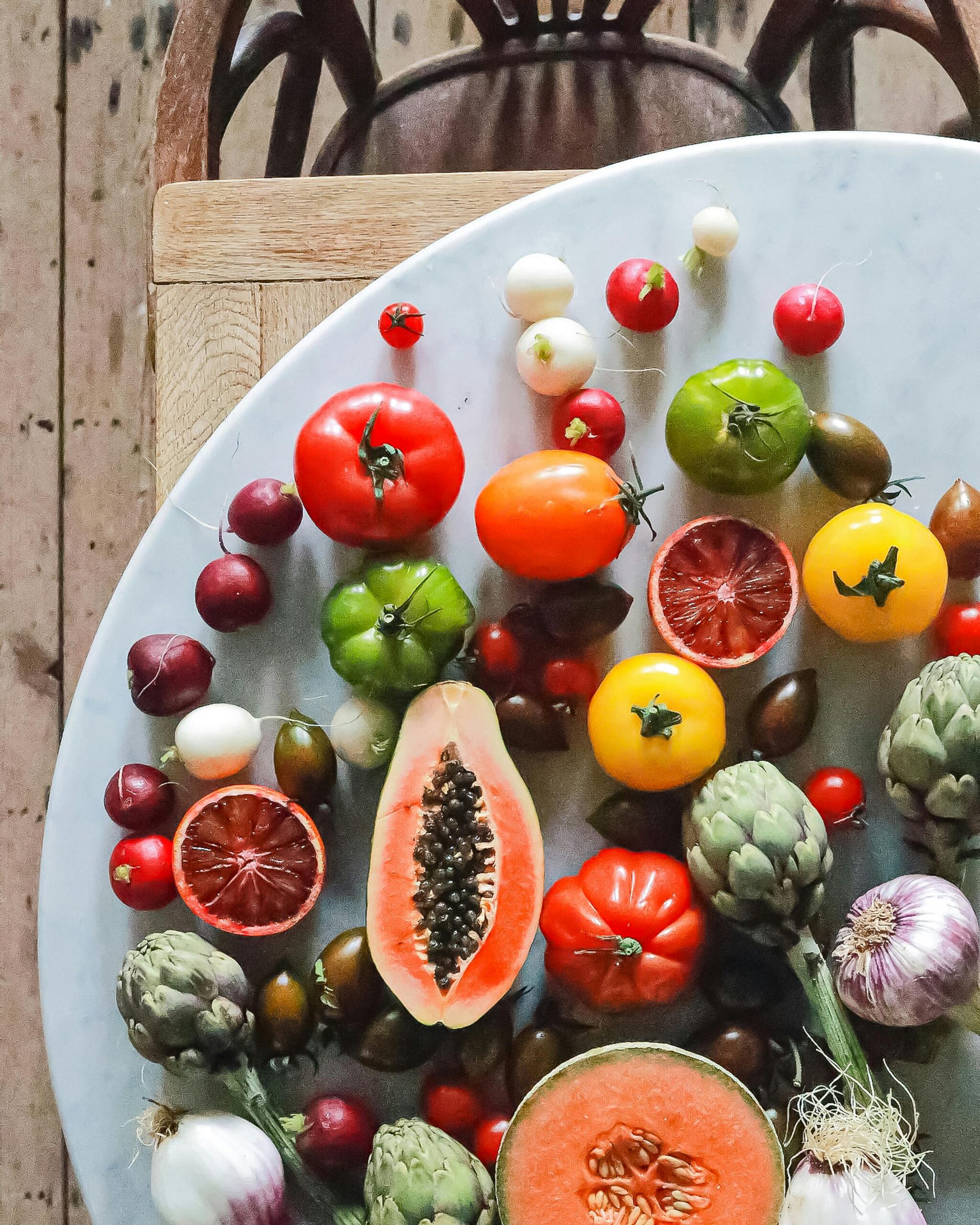
Walking through the local farmer’s market, it becomes evident that the spotlight on fruits and vegetables high in vitamin C is shining brighter than ever. Fresh displays overflow with vibrant oranges, lemons, and an array of peppers, each vying for attention with their vivid colors. It seems people are gravitating more toward these nutrient-packed foods, perhaps due to an increasing awareness of their health benefits. There’s a buzz around the idea that these natural sources of vitamin C might play a crucial role in boosting immunity and enhancing overall wellness.
It frequently catches the eye how the produce section has become a focal point for many shoppers. The citrus fruits, in particular, seem to draw in a crowd, their tangy sweetness offering not just a sensory delight but also a promise of health. Shoppers linger, inspecting each fruit with care, a testament to the growing interest in what these foods can offer beyond just their taste. Interestingly, this surge in popularity coincides with a broader shift towards plant-based diets, where the importance of natural vitamins is being highlighted more than ever.
Moving past the baskets of oranges and grapefruits, one might notice that even vegetables like broccoli and Brussels sprouts are gaining newfound recognition. These often-overlooked greens are being celebrated for their vitamin C content, perhaps surprising those who traditionally associate this vitamin solely with citrus fruits. The subtle shift towards embracing a wider variety of produce seems to suggest a more comprehensive understanding among consumers about the sources of vitamin C. It’s as if people are beginning to realize that a diverse diet can be just as delicious as it is healthful.
The Rise of Home Gardens
Another fascinating trend is the increase in home gardening, where individuals are taking the cultivation of vitamin C-rich plants into their own hands. From small balcony setups to more extensive backyard gardens, growing one’s own produce appears to be on the rise. This movement could be driven by a desire for fresh, pesticide-free vegetables and fruits, ensuring a direct supply of nutrients from garden to table. Observing these home gardeners, it’s apparent that there’s a distinct satisfaction in knowing exactly where one’s food comes from and the effort that goes into nurturing it from seed to harvest.
Not only does this trend reflect a growing self-reliance, but it also highlights a shift in how people perceive food and nutrition. The act of growing one’s own vitamin C-rich produce seems to foster a deeper connection with the food, perhaps leading to a more conscious consumption pattern. There’s an excitement in experimenting with lesser-known varieties of fruits and vegetables, each promising its unique health benefits.
Subtle Influences on Consumer Choices
While health benefits are a clear driver, other subtle factors might be influencing this shift towards vitamin C-rich foods. Media coverage on the importance of a strong immune system, particularly during the recent global health crises, has likely played a part in shaping consumer behavior. People are more informed and are making deliberate choices to incorporate these nutritious foods into their diets.
Moreover, the accessibility of information through digital platforms has empowered consumers to explore and understand their dietary choices better. Recipes featuring vitamin C-rich ingredients are readily available, inspiring even those who might not have been previously inclined to experiment in the kitchen. It’s as if there’s a newfound confidence in trying out dishes that are both delicious and nutritious, further fueling this growing trend.
Why Now?
The timing of this shift could be attributed to a variety of factors converging at once. The increasing focus on personal health and wellness, coupled with an enhanced understanding of nutrition, seems to be encouraging more people to seek out natural sources of vitamins. Additionally, there’s an evident move towards sustainable and mindful eating practices, where the quality of food takes precedence over sheer convenience.
It appears that societal changes, such as a heightened awareness of environmental issues and a push for more ethical food choices, are also contributing to this trend. There’s a collective movement towards making choices that are not only beneficial to one’s health but also to the planet. This includes supporting local farmers and choosing seasonal produce, which often includes vitamin C-rich options.
As these changes continue to unfold, it becomes clear that the interest in vitamin C fruits and vegetables is not just a fleeting trend but part of a larger shift towards a healthier, more sustainable way of living. The scene at the market, with its colorful displays and engaged shoppers, reflects a growing appreciation for nature’s bounty and the benefits it holds for both body and mind.