
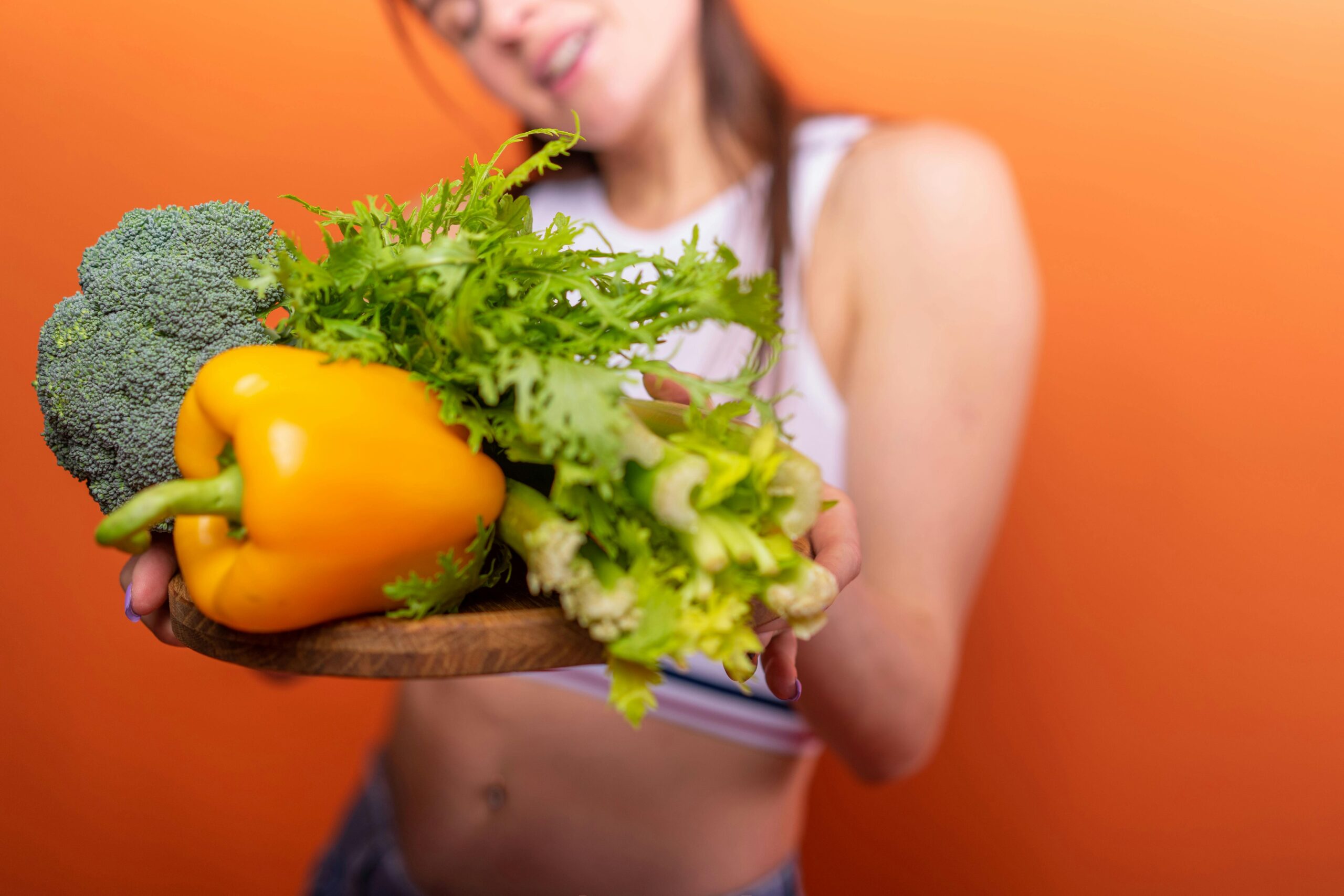
It is noticeable that more people are becoming conscious of their vegetable consumption these days. In various communities, there seems to be a growing trend where individuals are not just aware of the health benefits associated with vegetables but are actively seeking ways to incorporate more greens into their daily meals. Farmers’ markets are bustling with activity, and local grocery stores are stocking a wider variety of fresh produce. This shift appears to reflect a deeper understanding of nutrition and a desire for healthier lifestyles.
Another aspect that stands out is the influence of social media. Platforms like Instagram and TikTok showcase colorful, appetizing dishes that prominently feature vegetables. There is an aesthetic appeal to meals that are vibrant and green, which seems to motivate people to try new recipes. Food bloggers and influencers are sharing creative ways to prepare vegetables, making them more appealing to a broader audience. This visual representation of healthy eating is likely contributing to the increase in interest, as individuals become inspired to recreate these meals in their own kitchens.
The role of community initiatives cannot be overlooked. Many neighborhoods are starting to implement programs aimed at promoting healthy eating habits. Community gardens are popping up, offering residents the chance to grow their own produce. This hands-on approach not only fosters a connection to food but also encourages people to experiment with vegetables they might not typically buy. It’s intriguing to see how these local efforts create a sense of ownership over one’s diet, leading to a more adventurous palate.
There’s also a subtle shift in how vegetables are perceived in relation to time and convenience. With the fast-paced nature of modern life, convenience is a significant factor, and it seems that pre-prepared vegetable options are becoming more popular. Ready-to-eat salad mixes and frozen vegetable blends are filling the shelves, catering to those who may have hesitated to cook from scratch. This accessibility allows individuals to quickly incorporate more vegetables into their meals without the extensive prep work that might have deterred them in the past.
Moreover, the growing awareness of sustainability and environmental issues plays a role in this surge of interest. Many people are becoming more mindful of where their food comes from and the impact of their choices on the planet. The push towards plant-based diets is not just about personal health; it also reflects a collective desire to make more environmentally responsible decisions. As individuals learn about the benefits of reducing meat consumption, they naturally gravitate towards increasing their vegetable intake.
There’s something quite interesting about the cultural shifts surrounding food. Cooking shows and documentaries increasingly highlight the importance of plant-based ingredients, influencing viewers to rethink their dietary habits. It’s almost as if a cultural renaissance regarding vegetables is occurring, where they are no longer viewed merely as a side dish but as a star ingredient. This change in narrative could explain why more people are willing to experiment with diverse types of vegetables and incorporate them into various cuisines.
Additionally, the health crisis that many faced in recent years seems to have prompted a reevaluation of dietary choices. With a heightened focus on wellness, individuals are more inclined to prioritize foods that boost immunity and overall health. Vegetables, with their rich array of vitamins and minerals, naturally find their way into conversations about healthy living. It’s evident that a shift in mindset is taking place, where the emphasis is on nourishing the body rather than merely filling the stomach.
In homes, families are beginning to engage in cooking and meal preparation together, which fosters an appreciation for vegetables among younger generations. Rather than viewing vegetables as something they have to eat, children are becoming part of the process, learning to enjoy the taste and texture of various produce through hands-on experiences. This could lead to a lasting change in how future generations approach their diets.
Ultimately, as the landscape of food culture continues to evolve, it’s clear that the appreciation for vegetables is on the rise. From social media influences to community initiatives and personal health awareness, multiple factors are converging to encourage individuals to embrace a more plant-centric diet. It’s fascinating to observe how these subtle shifts are shaping our collective eating habits, paving the way for a future where vegetables are central to our meals, rather than an afterthought.