
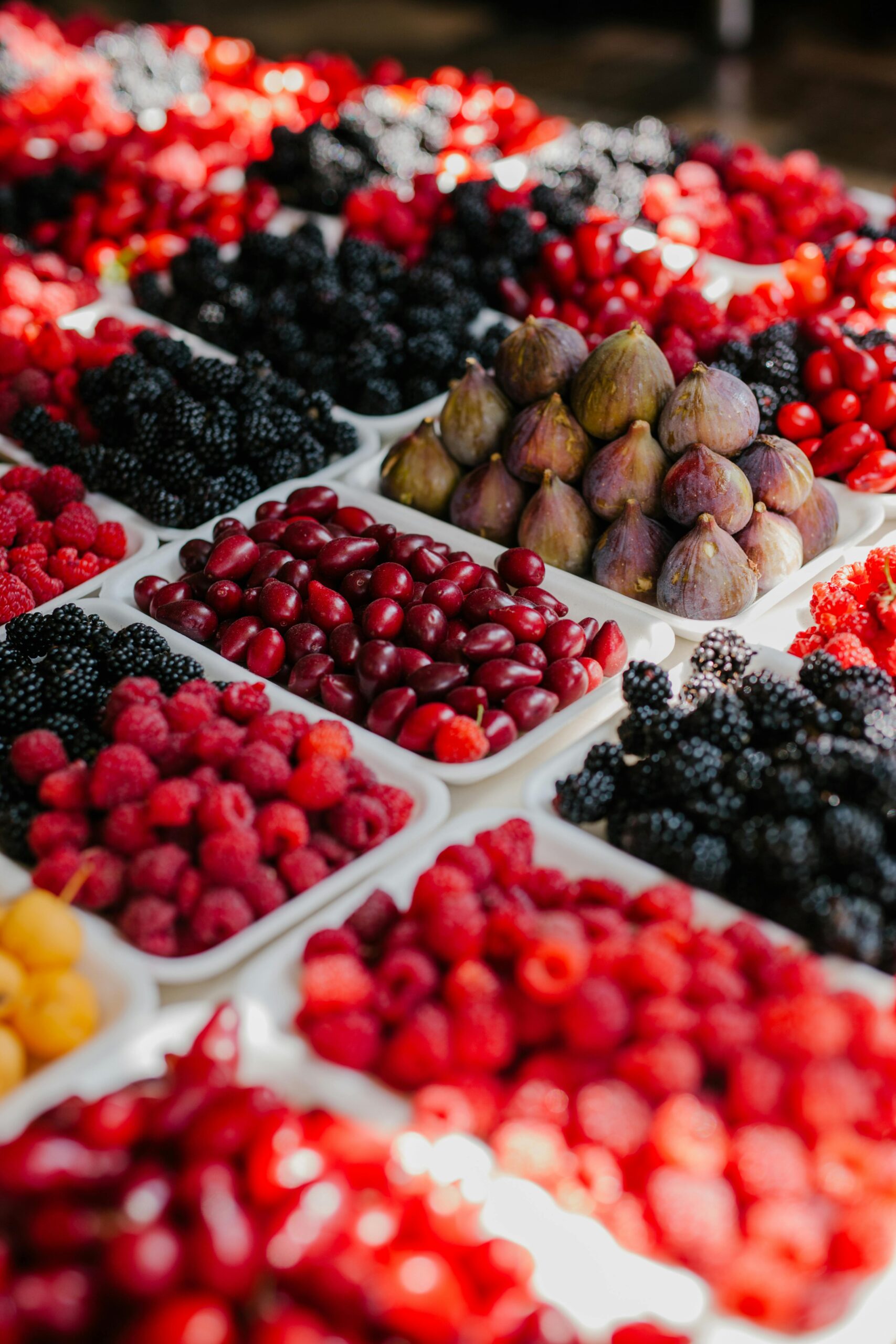
Walking through the bustling aisles of a local market, it becomes increasingly apparent that the selection of produce has expanded to cater to a broader range of dietary choices. Among the piles of vibrant fruits and vegetables, certain items seem to be drawing more attention than others. There is a noticeable shift towards keto-friendly options, reflecting a growing interest in this low-carb, high-fat diet. Shoppers linger longer over avocados, berries, and leafy greens, their eyes scanning for labels that promise low sugar and high nutritional value.
The intrigue surrounding these choices seems to stem from a desire for healthier, more balanced eating habits. Avocados, once a niche item, have now become a staple in many households. Their creamy texture and rich taste appear to perfectly complement the keto lifestyle, offering both satisfaction and nutrition. Similarly, berries like strawberries and blackberries, with their lower sugar content compared to other fruits, are finding their way into more shopping carts. It’s fascinating to see how these fruits are incorporated into various meals, from breakfast bowls to evening snacks, adding a burst of flavor without compromising dietary goals.
Leafy greens such as spinach and kale are also gaining popularity, often filling the baskets of those keen on maintaining a low-carb diet. These vegetables, rich in fiber and essential nutrients, appear to serve as the backbone of many keto recipes. Shoppers are seen picking through the freshest bunches, perhaps envisioning them blended into smoothies or sautéed as a side dish. The versatility of these greens seems to offer endless possibilities, making them a favorite among those seeking variety without excess carbohydrates.
It seems the increasing interest in keto-friendly fruits and vegetables is not solely driven by dietary needs. There is a growing awareness of the environmental impact of food choices, with many consumers opting for more sustainable and locally sourced produce. This shift towards environmentally conscious eating habits could be a subtle yet significant factor in the rising popularity of these options. Farmers’ markets and organic produce sections in supermarkets are flourishing, hinting at a collective move towards a more mindful way of living.
Another understated factor contributing to this trend is the influence of social media and food blogging. The visual appeal of vibrant fruit and veggie dishes shared online seems to inspire many to experiment with keto recipes themselves. Platforms filled with aesthetically pleasing images of colorful salads and inventive meals have a way of sparking curiosity and encouraging people to explore new flavors and combinations. This online community, while virtual, plays a real part in shaping the dietary choices of many individuals today.
Moreover, the perception of these foods as not only diet-friendly but also delicious and satisfying is reshaping traditional views on healthy eating. The idea that one can indulge in tasty meals without straying from nutritional goals is undoubtedly appealing. Observing friends and family sharing these meals at gatherings and on social outings reinforces this notion, creating a ripple effect of interest and adoption among wider social circles.
In essence, the current landscape of keto-friendly fruits and vegetables reflects a larger narrative of changing dietary preferences and lifestyle choices. What began as a niche diet has gradually woven itself into the mainstream, influencing not only what people eat but how they approach food as a whole. This trend seems poised to continue evolving, with more individuals seeking out these options for their health benefits, flavor, and contribution to a sustainable lifestyle.