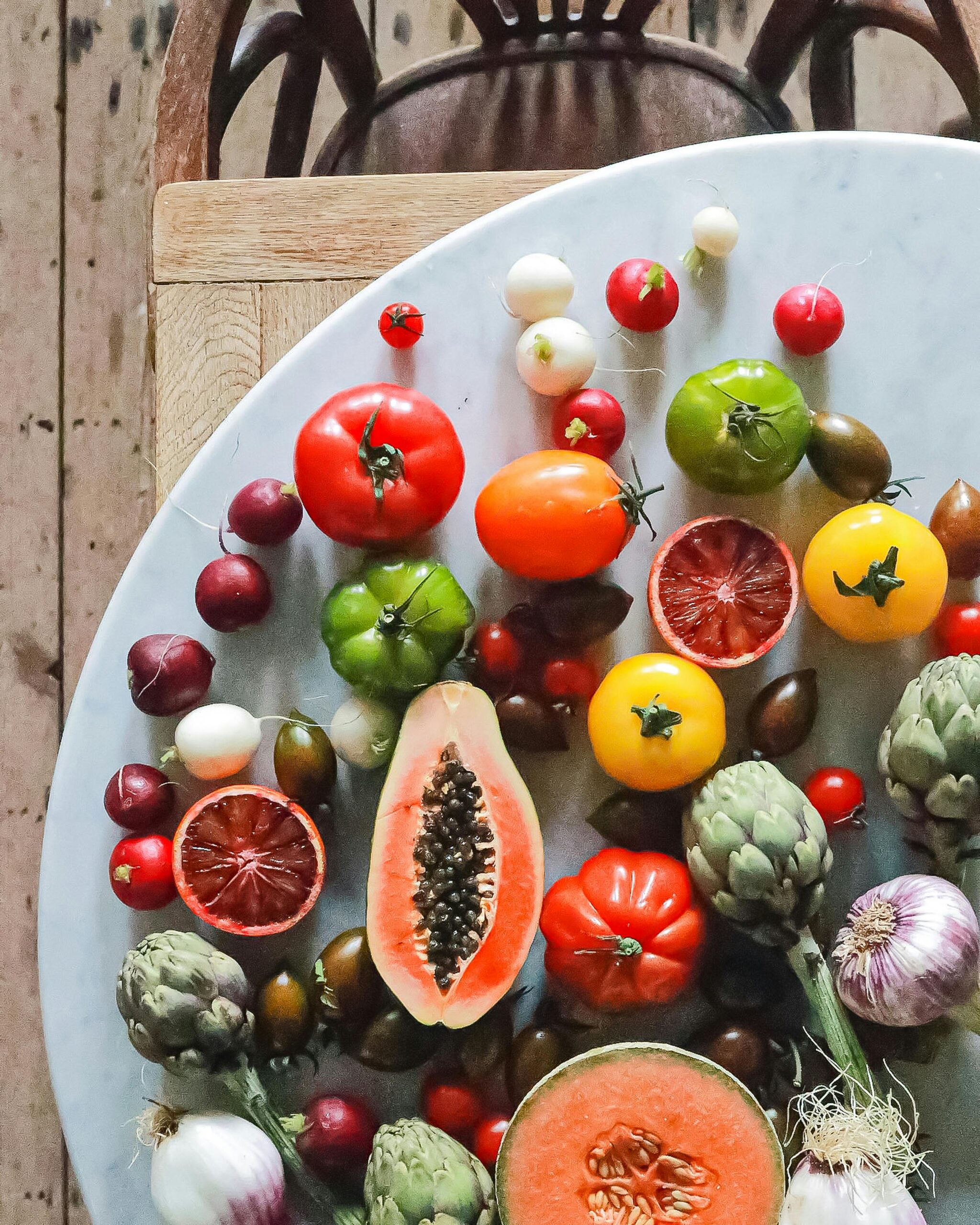
Walking through the local park, it becomes clear that more dog owners are incorporating fruits and vegetables into their pets’ diets. Observing the variety of snacks people offer their dogs, it seems carrots and apple slices are replacing traditional dog treats. This shift isn’t just a trend but part of a growing awareness of the benefits of natural foods for canine health.
In recent months, it seems that the interest in natural dietary options for dogs has been steadily climbing. More owners are questioning the ingredients in store-bought treats and are opting for alternatives they consider more wholesome and nutritious. Fruits and vegetables, when carefully selected, provide essential vitamins and minerals that support a dog’s overall wellbeing. For instance, carrots are not only low in calories but also high in fiber and beta-carotene, which is known to support vision health. Meanwhile, apple slices offer a crunchy texture that many dogs enjoy, and they are a good source of vitamin C and dietary fiber.
What’s curious is the subtle shift in how people view their pets’ diets. The change seems to be driven by a combination of factors. Increasingly, owners are becoming more health-conscious themselves, and this awareness naturally extends to their pets. As people pay more attention to what they consume, they apply the same scrutiny to their dogs’ food. Additionally, the rise of social media has played a significant role. Platforms filled with pet influencers and vets sharing knowledge about dog nutrition make information more accessible, encouraging pet owners to explore these natural options.
Among the less obvious reasons for this trend are concerns over food allergies and intolerances. Many commercial dog foods and treats contain fillers and artificial ingredients that some pets can’t tolerate. Owners have observed that introducing fruits and vegetables can help alleviate these issues. For example, sweet potatoes are often recommended for dogs with sensitive stomachs, providing a rich source of vitamins A and C, as well as being easy to digest.
What’s particularly interesting is how this dietary change is not limited to the health-conscious owner. Even those who were once indifferent to their pet’s diet are becoming more invested. It’s not uncommon now to overhear conversations at dog parks about the benefits of blueberries or the pros of adding pumpkin to a dog’s meal. Blueberries, noted for their antioxidant properties, are praised for helping boost dogs’ immune systems. Pumpkin is often used to aid digestive health, with its high fiber content helping regulate digestion.
Yet, it’s important to observe that not all fruits and vegetables are suitable for dogs. While the trend is gaining momentum, owners are learning to navigate these choices with caution. Grapes, for example, are highly toxic to dogs, and onions can cause significant health issues. This careful selection process is part of the reason why many owners consult their veterinarians before making dietary changes. The role of the vet has become increasingly collaborative, guiding owners in making informed decisions regarding the introduction of new foods.
Another factor contributing to the rise in popularity of fruits and vegetables for dogs is the growing market for organic and non-GMO products. Owners feel more confident in the quality of the produce they choose, knowing it is free from pesticides and genetically modified organisms. This aligns with a broader trend towards sustainability and natural living, reflecting a desire to provide the best for pets while being mindful of environmental impacts.
In conclusion, the shift towards incorporating fruits and vegetables into dogs’ diets is more than a passing fad. It represents a deeper change in how we approach pet nutrition, driven by a combination of health awareness, information accessibility, and environmental consciousness. As more pet owners make these dietary changes, the landscape of canine nutrition continues to evolve, promising a future where dogs benefit from the same healthy eating principles many humans strive to adopt.