
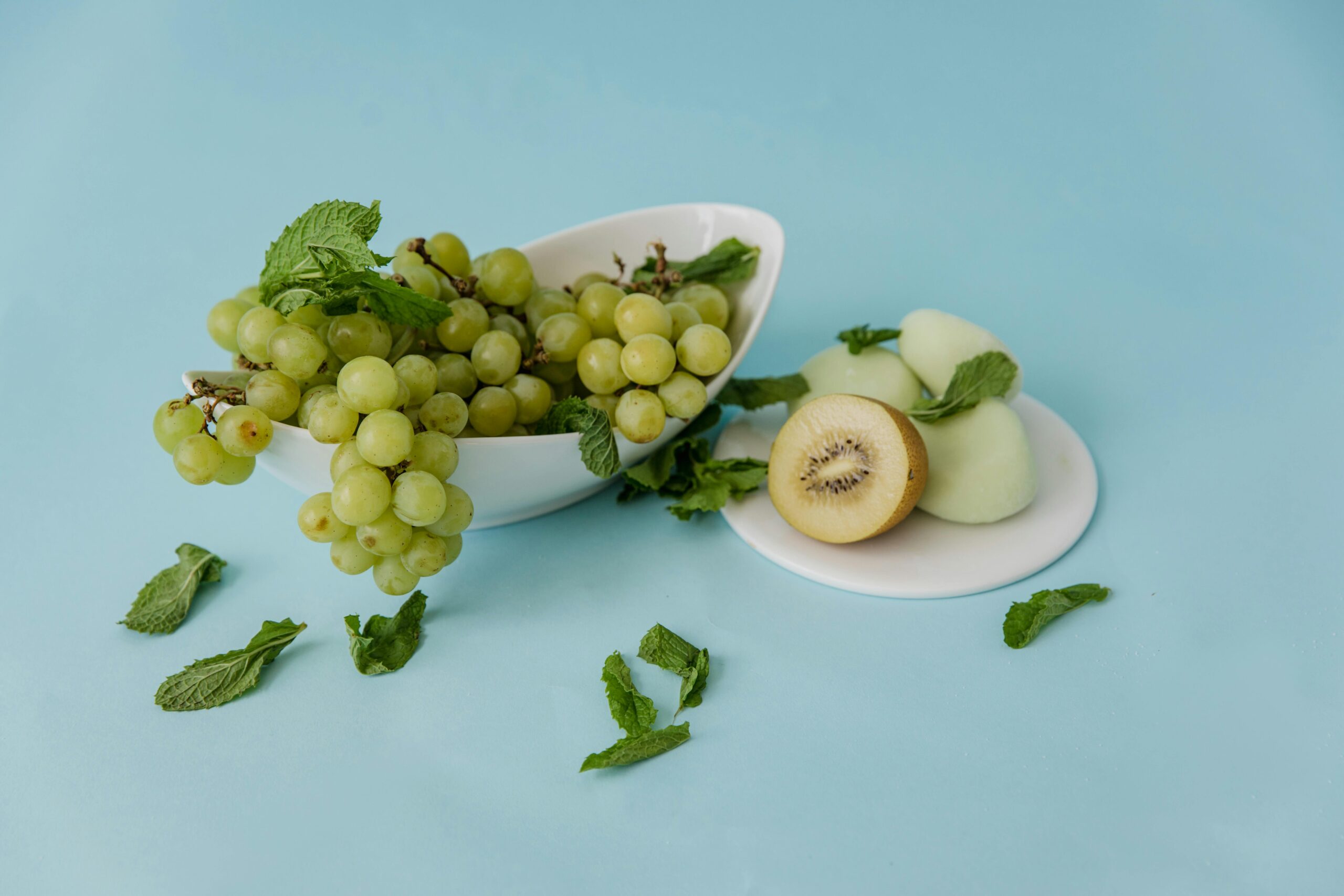
Walking through a vibrant market, it’s easy to notice how certain fruits and vegetables are gaining prominence for their anti-inflammatory properties. Shoppers seem more drawn to colorful produce, often lingering around stalls piled high with blueberries, kale, and other deep-hued offerings. These choices reflect a growing awareness of how diet can impact inflammation, a topic that seems to be resonating with more people now. It appears that individuals are increasingly looking for natural ways to support their health, and the allure of reducing inflammation through everyday foods fits well within this trend.
In recent times, the discussion around inflammation and its role in various chronic conditions is becoming more widespread. Anti-inflammatory fruits and vegetables are now more than just part of a healthy diet; they’re seen as crucial allies in the battle against ailments that silently afflict many. This shift in perception is partly driven by a surge of information available from nutritionists and wellness experts, who often highlight the benefits of these foods in media and online platforms. The growing popularity of these items is not just a fad but reflects a deeper understanding of how they can contribute to overall well-being.
Among the fruits, berries often take center stage due to their rich colors and potent compounds. Blueberries and strawberries, for instance, are frequently cited for their high levels of antioxidants, which can help to combat oxidative stress and inflammation. It seems that people are recognizing how these small fruits pack a powerful punch, offering not only a sweet treat but also significant health benefits. Similarly, vegetables like spinach and broccoli, known for their robust nutrient profiles, are being celebrated for their anti-inflammatory effects. The subtlety of their impact is often underestimated, yet they continue to be staples in meals focused on reducing inflammation.
There’s an interesting observation that the interest in these foods aligns with a broader movement towards plant-based diets. It’s not just about adding a few more fruits and veggies to the plate; there’s a noticeable shift towards consuming them as primary components of meals. This change seems to be driven by a combination of ethical, environmental, and health motivations. As people explore plant-centric eating, the emphasis on anti-inflammatory options naturally increases. This trend is further supported by culinary innovations that make it easier to incorporate these ingredients in delicious and satisfying ways.
While the visual appeal of these foods undoubtedly plays a role in their popularity, there are more subtle factors at play. The convenience and accessibility of many anti-inflammatory fruits and vegetables also contribute to their rising status. With more markets offering organic and locally sourced options, it’s easier than ever for consumers to make informed choices. There’s also a growing interest in seasonal eating, which encourages people to select fruits and vegetables at their peak, not only for flavor but for nutritional potency as well. This approach supports a connection with nature’s cycles and enhances the benefits derived from these foods.
Beyond the tangible benefits, there’s a sense that choosing anti-inflammatory foods is part of a larger lifestyle commitment. It symbolizes a proactive approach to health, a way of taking control in a world where many health issues feel overwhelming. The knowledge that simple dietary choices can have a profound impact provides a sense of empowerment and responsibility. This mindset is perhaps why these foods are increasingly featured in health discussions, recipe books, and wellness seminars. They represent more than just nutrition but a holistic perspective that resonates with people seeking balance in their lives.
In conclusion, the increased interest in anti-inflammatory fruits and vegetables reflects a broader cultural shift towards health-conscious living. These foods, once merely seen as nutritious, are now celebrated for their potential to alleviate inflammation and contribute to a healthier lifestyle. This quiet revolution in eating habits is marked by an appreciation for the natural world and a desire to harness its benefits. As people continue to explore the myriad ways these fruits and vegetables can enhance well-being, their presence in our diets is likely to become even more pronounced and valued.