
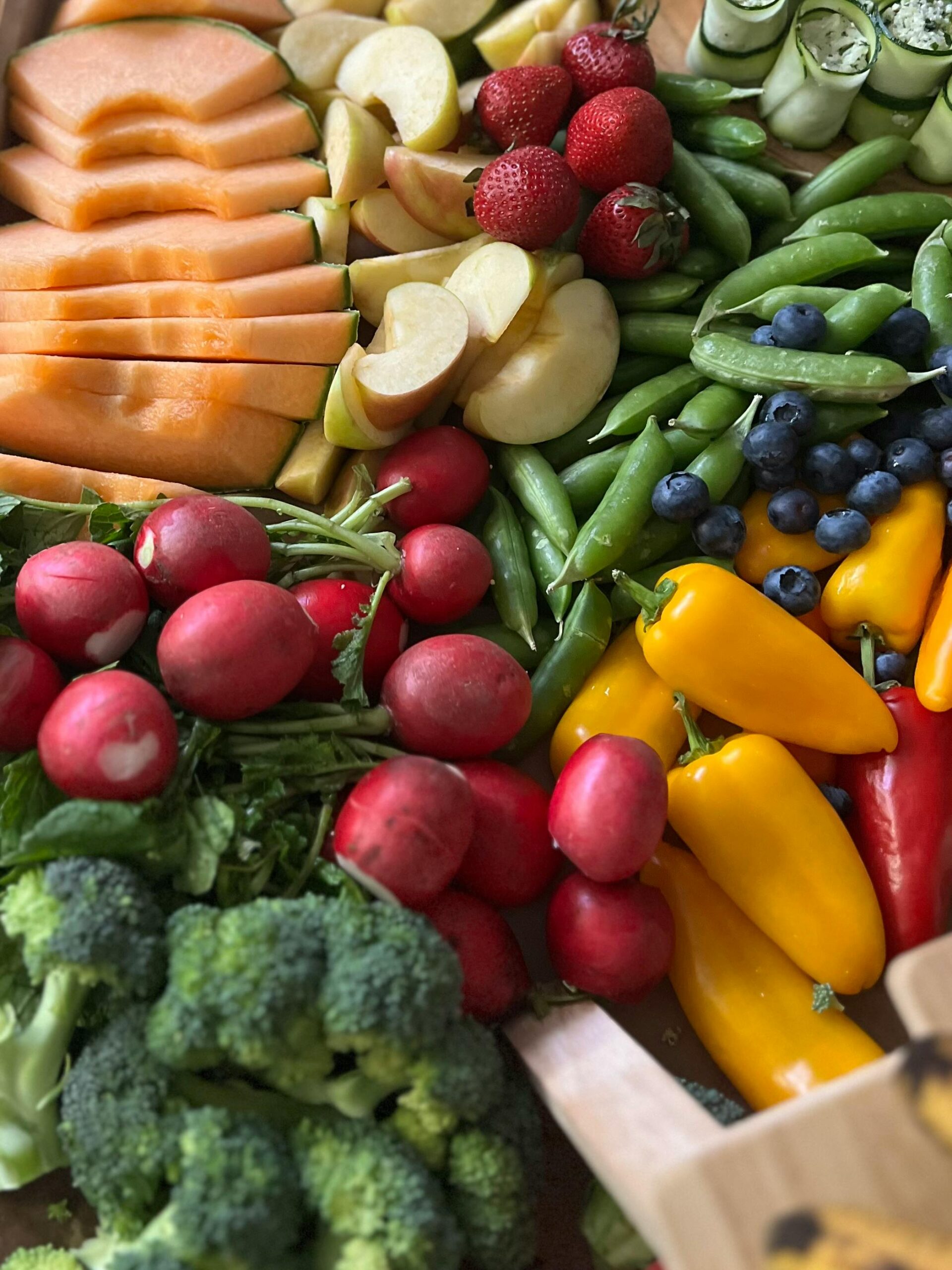
Growing your own vegetables at home is not only a rewarding hobby but also a fantastic way to ensure you have access to fresh and organic produce. Whether you have a large garden or just a small balcony, you can cultivate a variety of vegetables that can enhance your meals and contribute to a more sustainable lifestyle. In this article, we will explore essential steps and tips on how to grow vegetables at home.
Key Takeaways
- Choose the right location for your vegetable garden.
- Understand the importance of soil quality and sunlight.
- Select vegetables that thrive in your climate and space.
Choosing the Right Space
When it comes to how to grow vegetables at home, the first step is selecting an appropriate location. Look for a spot that receives at least 6-8 hours of sunlight each day. Sunlight is crucial for the growth of your plants, as it helps them produce energy through photosynthesis.
If you have limited space, consider utilizing containers or vertical gardening techniques. These methods can maximize your growing area, allowing you to cultivate a variety of vegetables even in small spaces. Make sure to choose containers that provide adequate drainage to prevent root rot.
Additionally, consider the proximity to water sources. Having easy access to water will make maintaining your vegetable garden much simpler. This is essential for ensuring that your plants remain hydrated, especially during hot weather.
Soil Quality and Plant Selection
Another essential aspect of how to grow vegetables at home is understanding soil quality. Healthy, nutrient-rich soil is vital for the successful growth of your vegetables. You may want to conduct a soil test to determine its pH and nutrient levels. Based on the results, you can amend your soil with organic matter like compost or well-rotted manure to enhance its fertility.
Once your soil is ready, it’s time to select the right vegetables for your garden. Choose varieties that are well-suited to your climate and growing conditions. Some easy-to-grow options include tomatoes, lettuce, carrots, and peppers. These vegetables are not only delicious but also provide great yields for home gardeners.
Consider planting a mix of fast-growing and slow-growing vegetables to ensure a continuous harvest throughout the season. This approach can help you enjoy fresh produce for as long as possible.
Maintenance and Harvesting
Proper maintenance is crucial for a thriving vegetable garden. Regular watering is essential, especially during dry spells. Aim to water your plants early in the morning or late in the evening to reduce evaporation. Additionally, keep an eye out for pests and diseases, as they can quickly damage your crops. Implementing organic pest control methods can help protect your plants without harmful chemicals.
As your vegetables grow, be mindful of their spacing and pruning needs. Proper spacing allows for air circulation, reducing the risk of disease. When it comes to harvesting, pick your vegetables at their peak ripeness for the best flavor and nutrition. Freshly harvested vegetables are not only tastier but also packed with nutrients.
Lastly, consider experimenting with crop rotation and companion planting in your garden. These techniques can help maintain soil health and reduce pest problems, making your vegetable-growing experience even more sustainable.
Frequently Asked Questions
- Q1: What vegetables are best for beginners?
For those just starting with gardening, it’s best to choose vegetables that are relatively easy to grow. Some of the best options include lettuce, radishes, and green beans. These vegetables are known for their quick growth and minimal care requirements, making them perfect for novice gardeners.
Additionally, herbs like basil and cilantro can be grown in pots and are great for adding flavor to your meals. Starting with these beginner-friendly options can help build your confidence and knowledge in vegetable gardening.
- Q2: How often should I water my vegetable garden?
Watering frequency can vary based on the type of vegetables you’re growing, the weather, and the soil type. Generally, you should aim to water your garden deeply at least once a week. However, during hot or dry spells, you may need to water more frequently.
To determine if your plants need water, check the soil moisture by sticking your finger about an inch into the soil. If it feels dry, it’s time to water. Remember, it’s better to water deeply and less often than to give your plants light, frequent waterings.
- Q3: Can I grow vegetables indoors?
Absolutely! Growing vegetables indoors is a viable option, especially if you lack outdoor space. Choose smaller varieties that are suited for container growing, such as herbs, cherry tomatoes, or salad greens. Make sure to provide adequate light, either from natural windows or grow lights, to ensure your plants thrive.
Indoor gardening also offers the advantage of controlling the environment, protecting your plants from pests and harsh weather. With the right care, you can enjoy fresh vegetables year-round.