
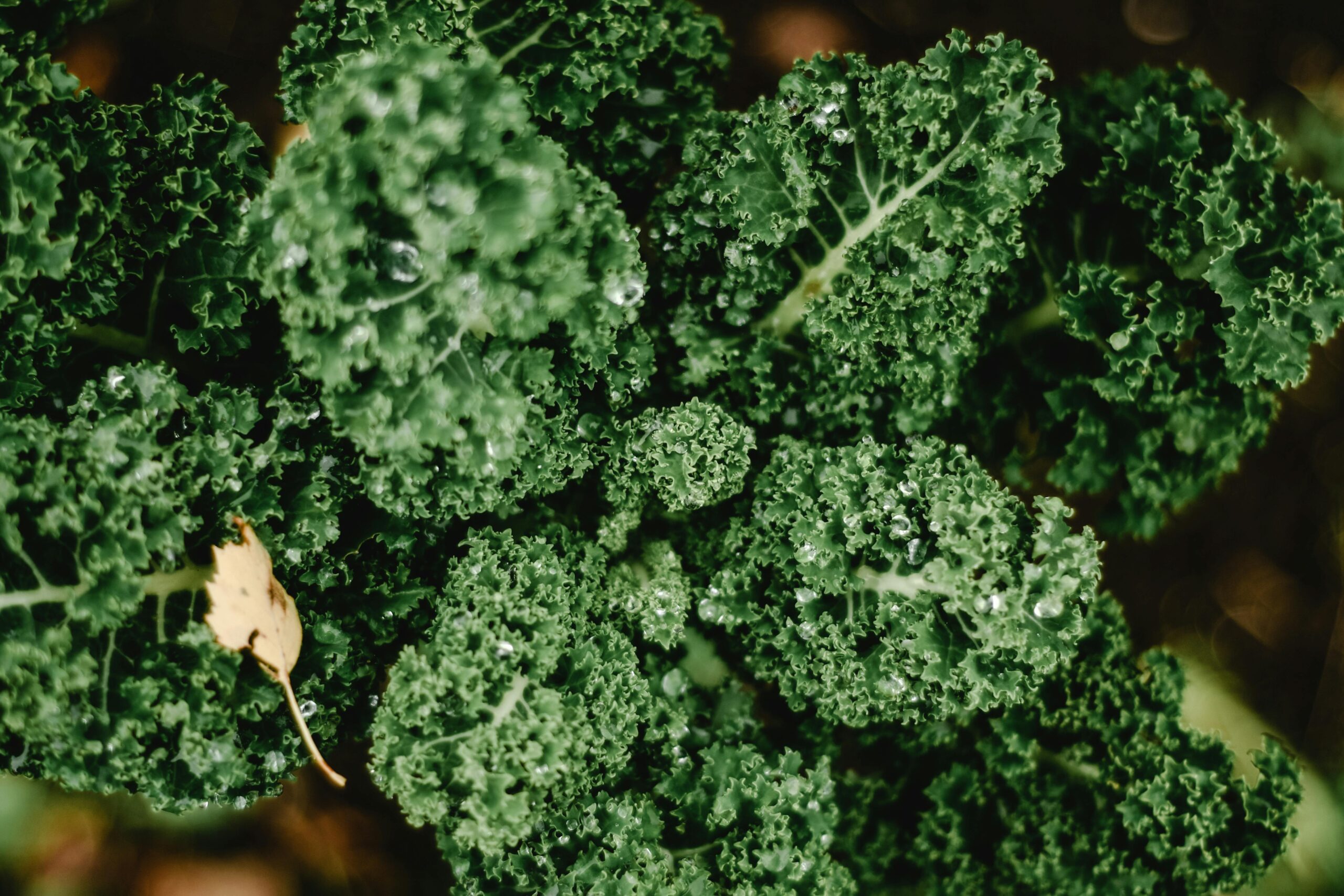
Buying fresh vegetables can greatly enhance your meals and overall health. Knowing when to buy fresh vegetables is crucial to ensure you get the best flavors, nutrients, and value for your money. In this article, we’ll explore key considerations for purchasing fresh produce and how to determine the right time to shop.
Key Takeaways
- Seasonality plays a significant role in freshness.
- Visually inspect vegetables for quality.
- Buying in bulk can save money, but timing is key.
Understanding Seasonality
One of the most important factors in when to buy fresh vegetables is seasonality. Each vegetable has its peak season when it is at its freshest and most flavorful. For instance, tomatoes are usually best in late summer, while root vegetables like carrots and beets are at their prime in the fall and winter. Purchasing vegetables in their peak season not only ensures better taste but also supports sustainable farming practices.
Buying organic vegetables during their harvest season can also be more affordable. Local farmers’ markets often showcase seasonal produce, giving you the opportunity to buy fresh vegetables directly from the source. This not only promotes local economies but also reduces your carbon footprint by minimizing transportation.
Check seasonal guides for your region to better understand when to buy specific vegetables. These guides can help you plan your meals around what is in season, enhancing both the quality of your food and your cooking experience.
Visual Inspection and Freshness
When deciding when to buy fresh vegetables, visual inspection is key. Look for vibrant colors, firm textures, and a lack of blemishes or wilting. Fresh vegetables should appear lively and crisp, indicating that they were recently harvested. A good rule of thumb is to avoid any produce that looks tired or has soft spots, as these are signs of age.
Moreover, different types of vegetables have specific indicators of freshness. For example, leafy greens should be bright and crisp, while bell peppers should be firm and shiny. Familiarizing yourself with these characteristics can make it easier to select fresh vegetables every time you shop.
If you’re unsure about the freshness of a vegetable, don’t hesitate to ask the vendor at a farmers’ market or the produce manager at your grocery store. They can provide insights on the best times to buy fresh vegetables and even share the delivery schedule for new stock.
Buying in Bulk vs. Single Purchases
Another consideration for when to buy fresh vegetables is whether to purchase in bulk or as needed. Buying in bulk can often lead to lower prices, especially if you’re shopping at wholesale markets or during seasonal sales. However, it’s essential to ensure that you can consume these vegetables before they spoil.
Consider your meal planning when choosing to buy in bulk. If you have a solid plan for using up the vegetables quickly, then it can be advantageous. However, if you’re unsure, it’s better to buy smaller quantities more frequently to ensure you always have fresh options available.
Additionally, freezing some vegetables can be a great way to extend their life while maintaining their nutritional value. This allows you to enjoy the benefits of fresh vegetables even when they’re out of season.
Frequently Asked Questions
- What are the best times of year to buy fresh vegetables?
The best times to buy fresh vegetables are during their peak growing seasons, which vary by region. In general, summer is excellent for tomatoes, zucchini, and peppers, while fall is ideal for root vegetables like carrots and squash. Additionally, visiting local farmers’ markets can provide a wealth of seasonal options and guarantee freshness.
- How can I tell if vegetables are organic?
To identify organic vegetables, look for labels or stickers that indicate organic certification. Additionally, organic produce is often sold at farmers’ markets or specialty grocery stores. If you’re uncertain, don’t hesitate to ask about the farming practices used to grow the vegetables.
- What signs indicate that vegetables are no longer fresh?
Signs that vegetables are no longer fresh include wilting, soft spots, discoloration, and an off-putting odor. For leafy greens, yellowing or sliminess is a clear indicator of spoilage. Always inspect your produce before purchasing to avoid buying anything that may not be at its best.
- Is it better to buy locally or from a grocery store?
Buying locally is often better for freshness, as local produce is typically harvested closer to your purchase date. This means it retains more nutrients and flavor. Additionally, supporting local farmers can contribute to sustainable practices and keep your community thriving.
- How can I store fresh vegetables to prolong their life?
To prolong the life of fresh vegetables, store them in a cool, dry place, and use breathable bags for storage. Leafy greens should be wrapped in a damp paper towel and placed in the refrigerator, while root vegetables can be stored in a cool, dark space. Proper storage can significantly extend their freshness and usability.