
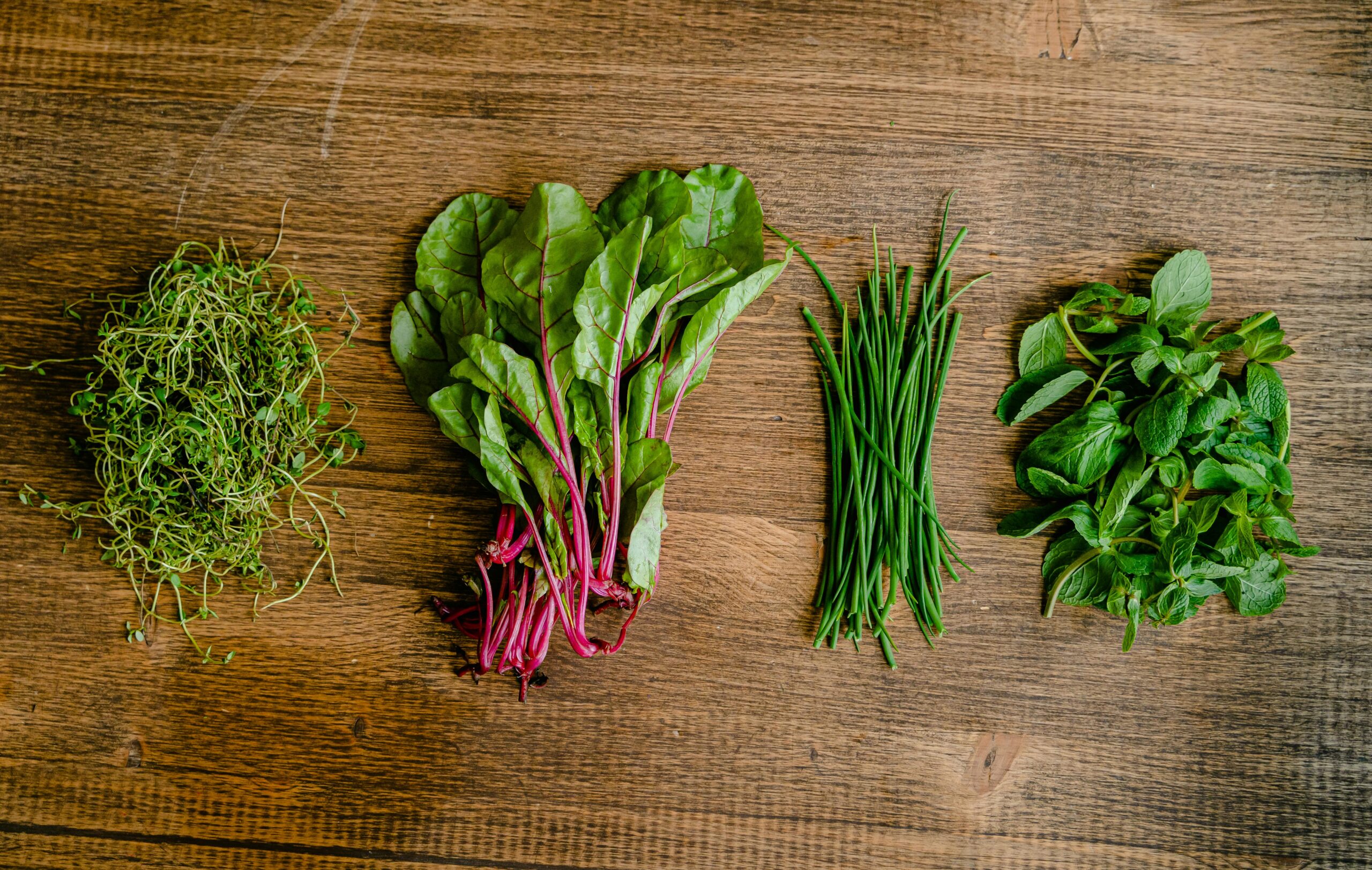
In recent years, the term superfood has gained popularity, especially in the health and wellness community. Among these, superfood vegetables play a vital role in promoting overall health and well-being. But what makes these vegetables so special? This article will explore the characteristics, benefits, and examples of superfood vegetables, highlighting their significance in a fresh and organic diet.
Key Takeaways
- Superfood vegetables are nutrient-dense and provide numerous health benefits.
- Incorporating these vegetables into your diet can enhance overall wellness.
- Choosing sustainable and organic options maximizes health benefits.
What Defines Superfood Vegetables?
Superfood vegetables are defined by their exceptional nutrient profiles and health benefits. These are typically fresh vegetables that are rich in vitamins, minerals, antioxidants, and fiber. They have been shown to support various bodily functions, boost the immune system, and reduce the risk of chronic diseases.
Common characteristics of superfood vegetables include high levels of antioxidants, which combat oxidative stress, and significant amounts of vitamins such as Vitamin C, Vitamin A, and various B vitamins. These nutrients are essential for maintaining energy levels, promoting skin health, and supporting overall vitality.
Furthermore, superfood vegetables often contain anti-inflammatory properties that can help mitigate the risk of conditions such as heart disease and arthritis. By including these vegetables in your meals, you can enhance your diet’s nutritional quality.
Examples of Superfood Vegetables
Some popular examples of superfood vegetables include kale, spinach, broccoli, and sweet potatoes. Kale is notorious for its high levels of Vitamin K, while spinach is packed with iron and magnesium. Broccoli, on the other hand, is known for its cancer-fighting properties due to the presence of sulforaphane.
Sweet potatoes are another excellent choice. They are rich in beta-carotene, which the body converts into Vitamin A, crucial for vision and immune function. Incorporating these vegetables into your daily meals can provide a delicious and nutritious boost.
Additionally, other vegetables like beets, carrots, and bell peppers also qualify as superfoods. Beets are excellent for improving blood flow, while carrots are known for promoting eye health. Bell peppers, especially the red variety, are loaded with Vitamin C and various antioxidants.
Benefits of Including Superfood Vegetables in Your Diet
Incorporating superfood vegetables into your diet offers numerous health benefits. Firstly, their high nutrient density means you get more vitamins and minerals per calorie compared to other foods. This can be especially beneficial for individuals looking to lose weight while still meeting their nutritional needs.
Moreover, the fiber content in these vegetables aids in digestion and helps maintain a healthy gut. A diet rich in fiber can also help control blood sugar levels, making superfood vegetables an excellent choice for those managing diabetes.
Lastly, choosing organic and sustainable superfood vegetables ensures that you are consuming foods free from harmful pesticides and toxins, contributing to better health outcomes. Supporting sustainable farming practices also benefits the environment, making it a win-win situation.
Frequently Asked Questions
- What are the best ways to incorporate superfood vegetables into my diet?
Incorporating superfood vegetables into your diet can be both simple and enjoyable. You can add them to smoothies for a nutritious breakfast or snack. For example, blending spinach or kale with fruits can create a delicious and healthy drink. Additionally, you can toss these veggies in salads, stir-fries, or soups, making them versatile options for any meal.
Another way to enjoy superfood vegetables is by roasting them with a bit of olive oil and seasoning. Roasting enhances their natural flavors and makes them a tasty side dish. Experimenting with different recipes can also keep your meals exciting while maximizing the health benefits of these vegetables.
- Are all vegetables considered superfoods?
Not all vegetables qualify as superfoods. The term “superfood” typically refers to those that are particularly nutrient-dense and offer specific health benefits. While many vegetables are healthy, superfood vegetables stand out due to their higher concentrations of essential nutrients, antioxidants, and unique compounds that promote health.
However, it’s essential to remember that a well-rounded diet includes a variety of vegetables, not just superfoods. Incorporating a wide range of vegetables ensures you receive a broad spectrum of nutrients that contribute to overall health.
- Can I grow superfood vegetables at home?
Yes, growing superfood vegetables at home is entirely feasible and can be very rewarding. Many of these vegetables, such as kale, spinach, and bell peppers, can be grown in home gardens, pots, or even on balconies. By cultivating your superfood vegetables, you ensure that they are fresh and free from pesticides, which enhances their health benefits.
Starting a small garden or even using container gardening methods allows you to have easy access to fresh produce. Regularly harvesting and consuming these vegetables can significantly contribute to your health and wellness.