
It seems that more people are becoming aware of the importance of staying hydrated through their diet. There’s a noticeable shift towards incorporating hydrating fruits into meals and snacks. Watermelon, with its high water content, often catches the eye during hot summer days. It’s not just the refreshing taste that stands out; the vibrant color and juicy texture seem to invite everyone to take a slice. Similarly, cucumbers, often overlooked as a fruit, are being celebrated for their crispness and ability to quench thirst. Observing the local markets, one can see a variety of fruits being chosen not just for their taste but for their hydrating properties. The rise in interest could be linked to an increased awareness of health and wellness trends, where people are seeking natural ways to boost their water intake.
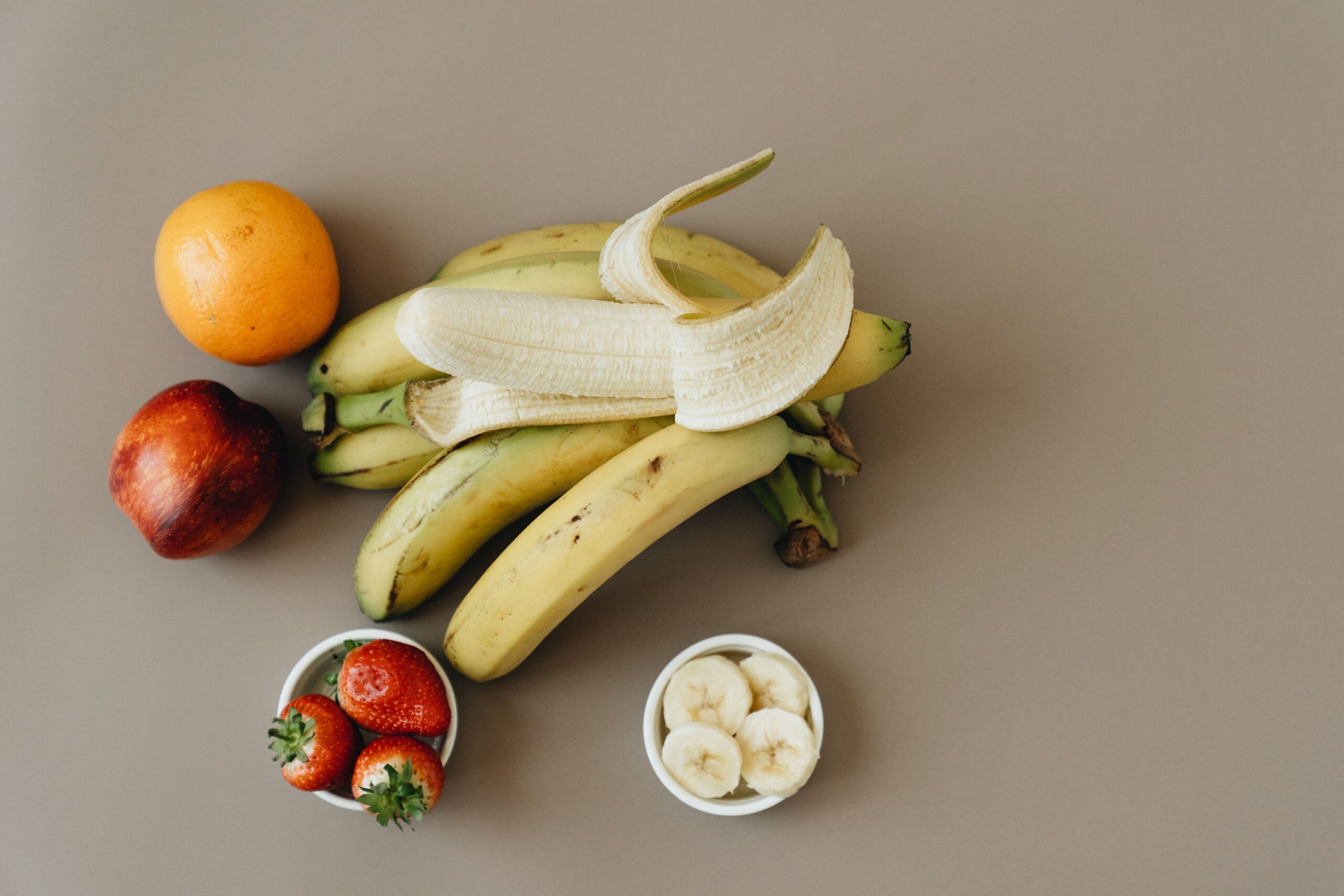
As the temperatures rise, the appeal of fruits like oranges and strawberries appears to be growing. The zesty flavor of oranges, packed with juice, makes them a popular choice for those looking to cool off. Their bright color and sweet scent are hard to resist, and it seems that more families are incorporating them into their daily routines. On the other hand, strawberries, often enjoyed in salads or desserts, are also gaining recognition for their juicy sweetness. The sight of fresh strawberries in a bowl seems to evoke feelings of summer, drawing in those who wish to enjoy a refreshing treat while keeping hydrated.
The increasing popularity of hydration-focused diets has led to an interesting trend: people are experimenting with smoothies. Blending fruits like pineapples and mangoes is becoming a common practice. The creamy texture and tropical flavors not only provide hydration but also a burst of energy. Pineapples, with their tropical allure, add a unique twist to these beverages, while mangoes offer a rich, sweet taste. It’s fascinating to see how these fruits, once seen as occasional treats, are now staples in many kitchens, reflecting a shift towards a more health-conscious lifestyle.
Social media plays a significant role in this growing trend. As individuals share their colorful fruit bowls and hydrating recipes, the visual appeal seems to spark curiosity. The aesthetics of vibrant fruit arrangements have certainly caught the attention of many. More people are inspired to try out new combinations or to simply enjoy the beauty of nature’s bounty. The casual sharing of these experiences fosters a sense of community among those who prioritize health, inviting others to join in on the journey towards better hydration.
Interestingly, the conversation around hydration is not solely focused on fruits. Vegetables like bell peppers and leafy greens are also being recognized for their water content. The idea that hydration can come from various sources seems to resonate with many, encouraging a more holistic approach to diet. It’s not just about drinking water anymore; it’s about integrating hydrating foods into everyday meals. This shift reflects a broader understanding of nutrition, where the emphasis is on enjoying a variety of foods that contribute to overall well-being.
In addition, there’s a subtle but significant change in how people perceive store-bought fruit juices. While they used to be a go-to option for hydration, there’s a growing preference for whole fruits. It appears that more individuals are becoming aware of the benefits of consuming fruits in their natural state, where fiber and nutrients are preserved. This shift could be influenced by an understanding of the differences in health benefits between whole fruits and processed juices. The natural sweetness and texture of fresh fruits offer a satisfying experience that many seem to prefer.
What stands out is the collective effort to promote a lifestyle that values hydration through natural means. Many seem to appreciate the connection between what they consume and how it affects their overall health. The emphasis on fresh produce and the joy of eating seasonal fruits are becoming more pronounced. Farmers’ markets are buzzing with activity as people seek out local offerings, eager to support growers while also enjoying the freshest options available.
As the seasons change, so too do the varieties of hydrating fruits available. Local produce reflects the rhythm of nature, with each season bringing a new wave of options. The anticipation of juicy peaches in late summer or crisp apples in autumn adds an element of excitement to the eating experience. This connection to seasonality not only enhances the enjoyment of hydrating fruits but also fosters a deeper appreciation for the natural world.
Overall, the shift towards prioritizing fruits for hydration is evident in daily choices and conversations. The focus on health and wellness, combined with the joy of discovering new flavors, seems to be steering many toward a more balanced and enjoyable approach to hydration. It’s interesting to observe how this trend continues to evolve, reflecting a broader cultural movement toward natural, wholesome living.