
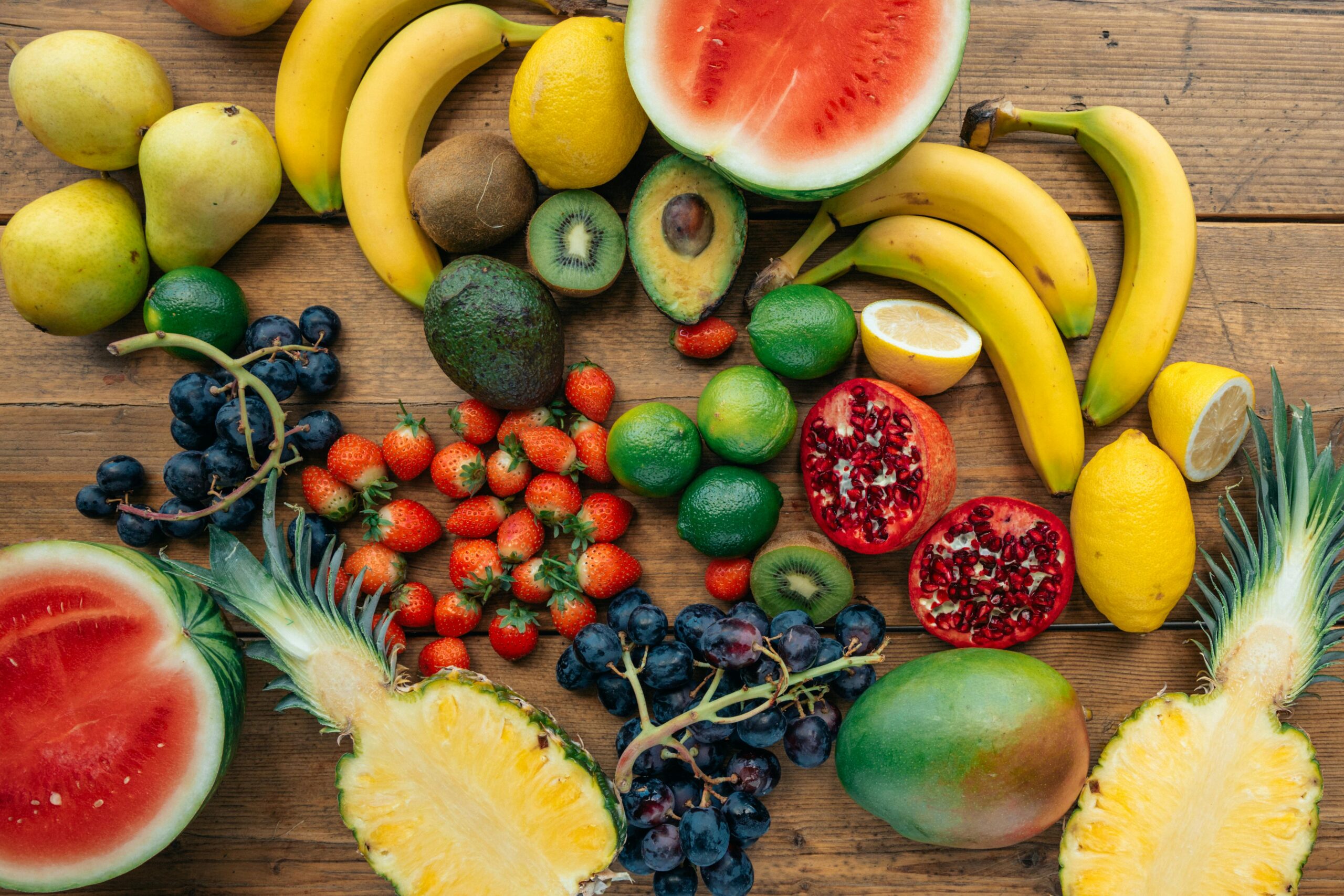
In recent years, there’s been a noticeable shift in how people view the connection between diet and skin health. It’s not uncommon to see individuals increasingly reaching for vibrant fruits and vegetables, often touted for their skin-enhancing properties. As dietary habits evolve, these nutrient-rich foods seem to occupy a more prominent place on the shopping lists of those seeking a natural glow. The appeal of fruits and vegetables lies not only in their aesthetic appeal but also in the promise of a more radiant complexion without resorting to synthetic products.
One can’t help but observe the growing fascination with foods like avocados, berries, and leafy greens. These items, once considered mundane, are now celebrated for their potential to nourish the skin from within. Avocados, for instance, with their rich, creamy texture, are increasingly favored for their healthy fats and vitamins, which many believe contribute to a supple and hydrated skin appearance. Meanwhile, berries, with their vibrant hues, seem to capture attention not just for their taste but also for their high antioxidant content, which is thought to combat oxidative stress and support skin health.
It becomes clear that this shift isn’t merely about following trends. People are becoming more conscious of how different foods impact their overall well-being, including their skin. This rising interest is perhaps fueled by a broader movement towards holistic health, where inner wellness is reflected outwardly. The idea of achieving glowing skin by simply adjusting one’s diet is compelling, offering a sense of empowerment through everyday choices.
Moreover, the increasing availability of information plays a critical role in this change. As more research highlights the benefits of vitamins and minerals found in fruits and vegetables, public interest naturally grows. The allure of gaining insight into how everyday foods can contribute to skin health encourages individuals to experiment with their diets, often resulting in a more varied and colorful plate. This curiosity and willingness to explore new dietary avenues might be underestimated but serve as a quiet catalyst for change.
Subtle shifts in consumer behavior also hint at an underlying desire for simplicity and natural solutions. In a world often overwhelmed by complex skincare routines and products, the notion of achieving healthy skin through diet resonates with those seeking a more straightforward approach. The idea that one can enhance their appearance by simply incorporating more fruits and vegetables into their meals is both comforting and appealing.
It seems that the seasonality of these foods adds another layer to their appeal. As different fruits and vegetables come into season, they bring with them a renewed interest and excitement. This natural cycle encourages people to vary their diets, inadvertently supporting a wider range of nutrients that can benefit the skin. The rhythm of nature, with its ever-changing produce offerings, gently nudges individuals towards a more diverse and nourishing diet.
Another aspect worth noting is the cultural shift towards sustainability and mindful consumption. As people become more aware of their environmental footprint, there is a noticeable preference for plant-based options. This movement aligns well with the interest in skin-friendly foods, as many of these fruits and vegetables are readily available, relatively inexpensive, and often locally sourced. The dual benefit of supporting skin health while being environmentally conscious creates a sense of satisfaction and responsibility.
Interestingly, the role of media and influencers cannot be overlooked. Social platforms are rife with testimonials and personal stories showcasing the transformative effects of diet on skin health. These narratives, often accompanied by before-and-after photos, capture the imagination and inspire others to consider similar dietary changes. While some might view these claims with skepticism, the personal stories resonate and contribute to the growing belief in the power of natural foods.
It is also worth considering the subtle psychological impact of consuming colorful foods. There is something inherently uplifting about preparing and eating a plate rich in diverse colors and textures. This sensory experience, coupled with the knowledge that these foods can enhance skin health, creates a positive feedback loop. The enjoyment derived from eating delicious, vibrant foods can itself be a form of self-care, supporting both mental and physical well-being.
As awareness continues to grow, it appears that the integration of fruits and vegetables into daily routines is not just a fleeting trend but rather a sustainable lifestyle choice. This ongoing shift towards embracing the natural benefits of these foods reflects a broader understanding of wellness and beauty as interconnected. In a world increasingly focused on quick fixes and instant results, the enduring appeal of a diet rich in fruits and vegetables offers a refreshing reminder of the power of nature and patience in achieving lasting beauty.