
It seems more people are paying closer attention to the vibrant array of fruits and vegetables, particularly those rich in vitamin C. In grocery stores and farmers’ markets, one can’t help but notice the increasing demand for these colorful produce items. This surge in interest coincides with a growing awareness of the benefits of vitamin C, not just for boosting the immune system, but for its role in skin health and antioxidant properties. Shoppers are reaching past the usual oranges and grapefruits, seeking out more exotic and unexpected sources of this essential nutrient.
The appeal of vitamin C-rich foods appears to be expanding beyond the familiar citrus fruits. There’s a noticeable uptick in the popularity of kiwi and strawberries, both of which pack a powerful punch of this vitamin. Kiwi, with its small, fuzzy exterior and bright green interior, offers more than a tangy flavor; it’s a powerhouse of nutrition that seems to be gaining recognition. Strawberries, too, are experiencing a renaissance, appreciated not only for their sweetness but for their health benefits. These fruits are finding their way into smoothies, salads, and desserts more frequently, perhaps as people discover their versatility and nutritional value.
Peppers, particularly the brightly colored bell varieties, are becoming more prevalent in recipes and meal plans. It’s interesting to note that these vegetables are often overlooked as a source of vitamin C, yet they contain higher amounts than some fruits traditionally associated with the nutrient. The versatility of peppers in cooking, whether raw, roasted, or sautéed, makes them a staple in many households. This versatility, along with their vibrant hues, might be contributing to their growing popularity.
Broccoli and Brussels sprouts, once sidelined as less desirable vegetables, are now finding a resurgence in popularity. It seems that as people explore plant-based diets, these cruciferous vegetables are being rediscovered for their nutritional benefits, including high levels of vitamin C. Their newfound acceptance might be linked to the creative culinary techniques being shared on social media, which highlight how deliciously these vegetables can be prepared. Roasting and grilling have become popular methods to enhance their flavors, making them more palatable to a wider audience.
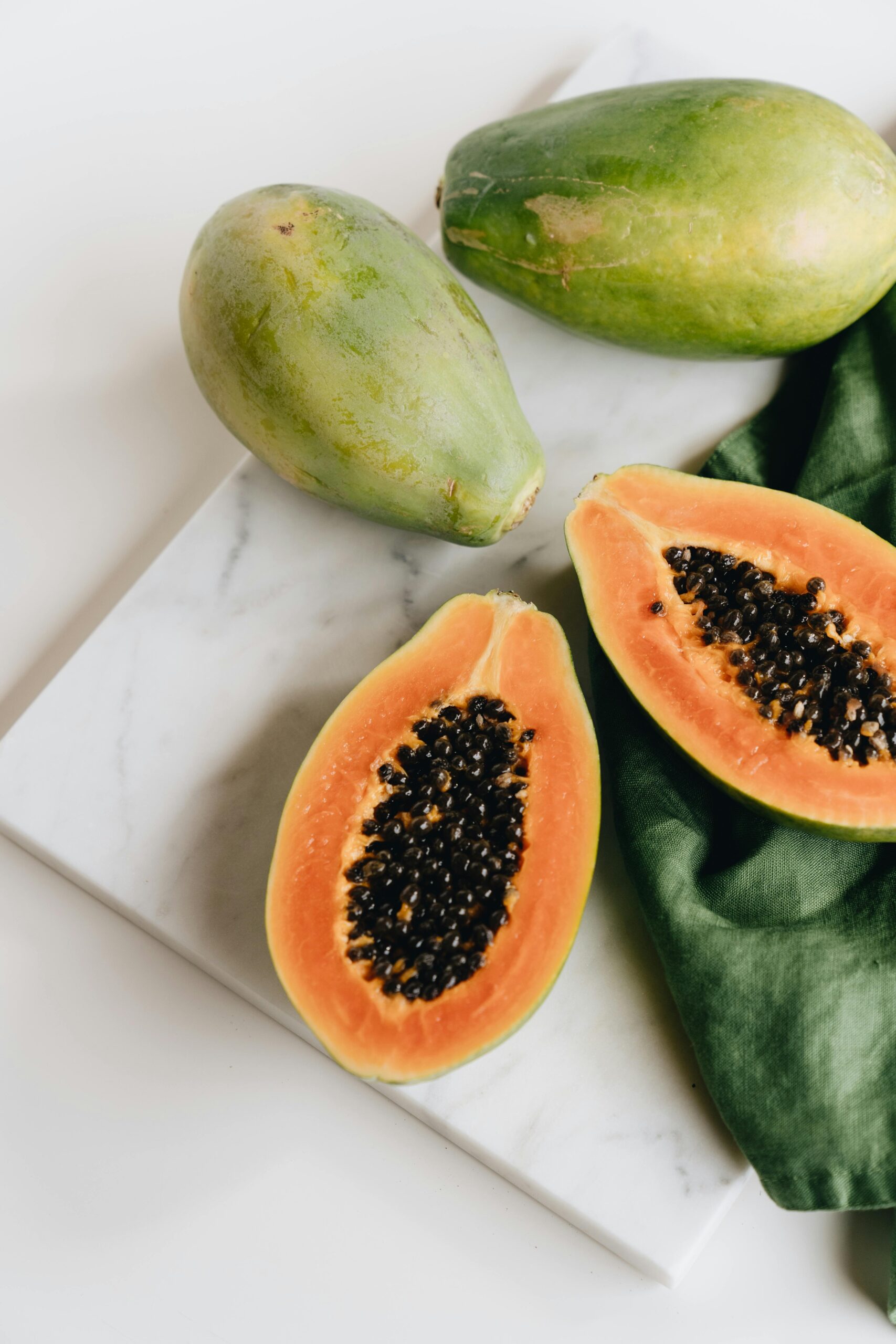
In the realm of tropical fruits, the papaya and guava are catching the attention of those seeking diverse sources of vitamin C. Papayas, with their bold orange flesh, offer a sweet escape while providing a generous dose of the vitamin. Guavas, although less common, are being acknowledged for their potent vitamin content and unique taste. These fruits are often seen in juices and fruit salads, adding a tropical flair that seems to be appealing to adventurous palates.
A subtle factor contributing to the increased interest in these vitamin C-rich foods might be the broader trend towards holistic health and wellness. As more individuals prioritize their well-being, there is a natural shift towards incorporating nutrient-dense foods into daily diets. This movement aligns with a growing curiosity about natural ways to support health, where vitamin C plays a significant role.
It’s also noticeable that the conversation around sustainability and local sourcing has encouraged people to explore seasonal and regionally grown produce. This shift might explain the heightened interest in locally available fruits and vegetables high in vitamin C, as consumers become more conscious of their environmental footprint and the origins of their food.
Ultimately, what seems to be changing is not just the variety of produce being sought after, but the reasons behind these choices. The combination of health awareness, culinary exploration, and sustainability concerns is crafting a new landscape where vitamin C-rich foods are celebrated not just for their nutritional content but for their role in a broader lifestyle shift. As people continue to explore these vibrant options, it will be interesting to see how dietary habits evolve and which fruits and vegetables rise to prominence next.