
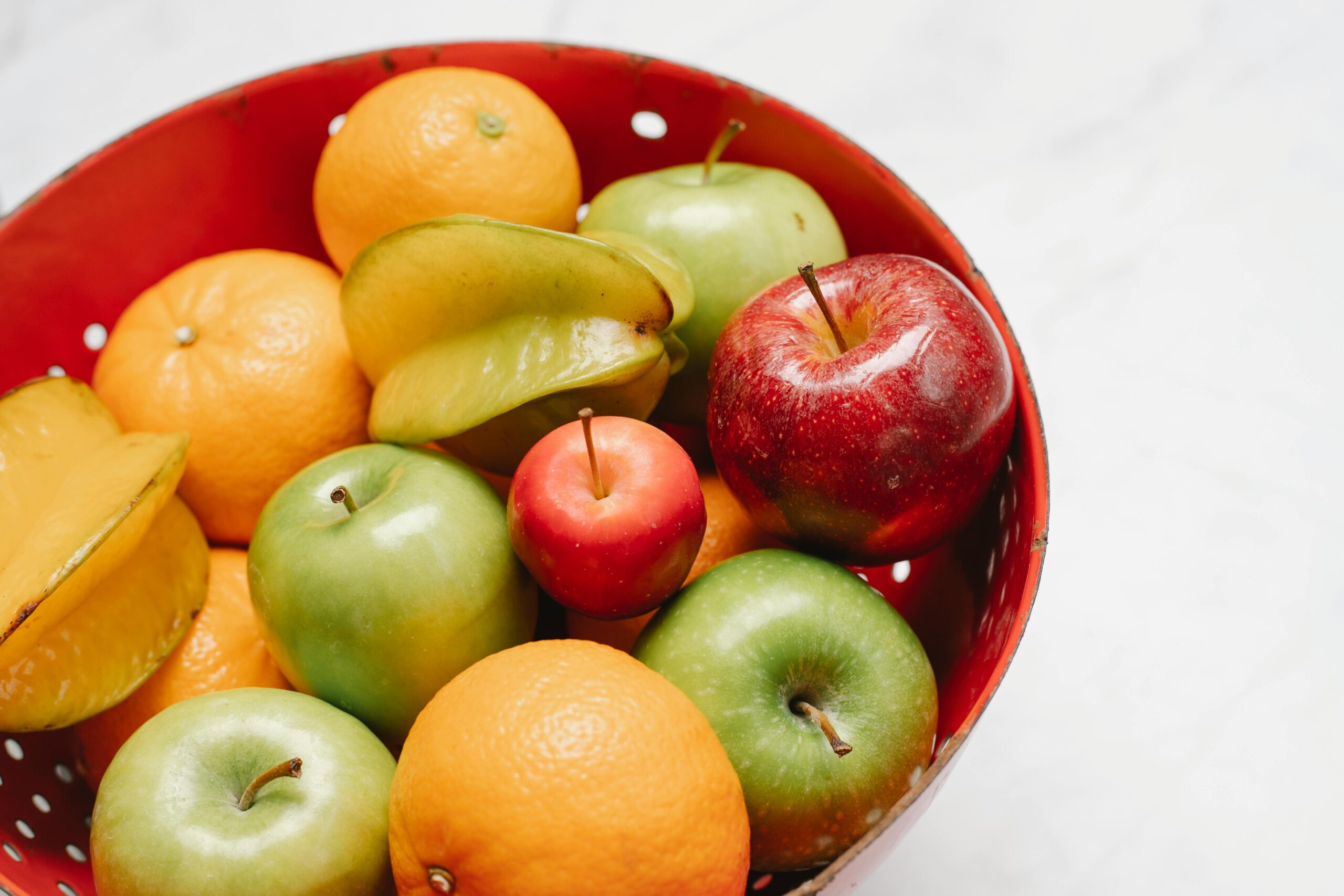
It’s interesting to notice how the vibrant colors of seasonal fruits and vegetables bring a certain energy to local markets. Walking through the stalls, the variety on display seems to change with the rhythm of the seasons. In the spring, there is a burst of fresh greens and tender shoots, while summer showcases an abundance of juicy berries and ripe tomatoes. As autumn approaches, the shift is marked by the arrival of pumpkins and apples, filling the air with their earthy scents. Each season seems to tell its own story through the produce available, reflecting not just the climate, but also the agricultural practices of the region.
More people appear to be drawn to these seasonal offerings lately, perhaps due to a growing awareness of the benefits of eating locally sourced food. The taste of a sun-ripened peach in July is often far superior to one that has traveled thousands of miles. There’s a noticeable appreciation for the freshness and flavor that comes from produce picked at its peak. This trend seems to resonate with a desire for healthier eating habits, pushing consumers toward choices that are not only better for themselves but also for the environment.
One can’t help but notice how social media plays a role in highlighting these seasonal delights. Photographs of colorful platters and lush gardens flood feeds, inspiring people to seek out local farmers’ markets or even start their own small gardens. It seems that many are discovering the joy of growing their own food, even if it’s just a few herbs on a windowsill. This connection to the source of their meals fosters a deeper understanding and appreciation of what goes into their food, leading to a more mindful approach to eating.
Amidst this shift, some subtle factors contribute to the growing fascination with seasonal produce. The impact of climate change is evident, as changing weather patterns influence what can be grown and when. This unpredictability may drive some to seek out seasonal options, as they become more aware of how interconnected food availability is with the environment. There’s a certain urgency in supporting local farms, particularly those practicing sustainable methods. The community spirit that arises from these connections adds another layer of appreciation for what’s in season.
It’s also worth noting the cultural significance that seasonal fruits and vegetables hold in various traditions. Many communities celebrate harvest seasons with festivals, showcasing local produce and culinary creativity. These gatherings not only highlight the bounty of the land but also serve to strengthen community ties. The passing down of recipes that incorporate seasonal ingredients connects generations and reinforces the importance of eating in harmony with nature’s cycles.
As fall settles in, the emergence of root vegetables and hearty greens brings a comforting quality to meals. The shift in flavors encourages a transition toward warming dishes, with soups and stews featuring prominently on dinner tables. There’s something inherently satisfying about cooking with what’s in season, as it feels more aligned with the rhythms of life. The connection to the earth, the changing colors of the leaves, and the cooler temperatures all seem to invite a deeper exploration of what the harvest has to offer.
In recent years, the concept of foraging has also gained traction, as people seek to reconnect with their surroundings. The idea of identifying edible plants and wild fruits adds an element of adventure to the experience of eating. It invites a sense of curiosity about the natural world, encouraging individuals to step outside and discover what grows locally, even in urban settings. This exploration often reveals hidden gems, such as wild herbs or fruit trees that might otherwise go unnoticed.
With the onset of winter, there’s a shift again, as the focus moves toward storage crops and preserved items. Root vegetables like carrots and beets become staples, while the last of the winter squashes provide sustenance during the colder months. It’s fascinating to see how communities adapt to the available produce, often relying on methods of preservation that have been passed down through generations. The art of canning, pickling, and fermenting adds a unique dimension to the seasonal eating experience by allowing flavors to be enjoyed long after the harvest is over.
All these factors intertwine to create a rich tapestry of seasonal eating, and it’s clear that as awareness grows, so does the joy of embracing what each season brings. This evolving relationship with food seems to foster not just a healthier lifestyle but also a deeper appreciation for the land and its cycles. As people continue to explore these connections, the vibrant world of seasonal fruits and vegetables remains ever more inviting, offering endless opportunities for discovery and enjoyment.