
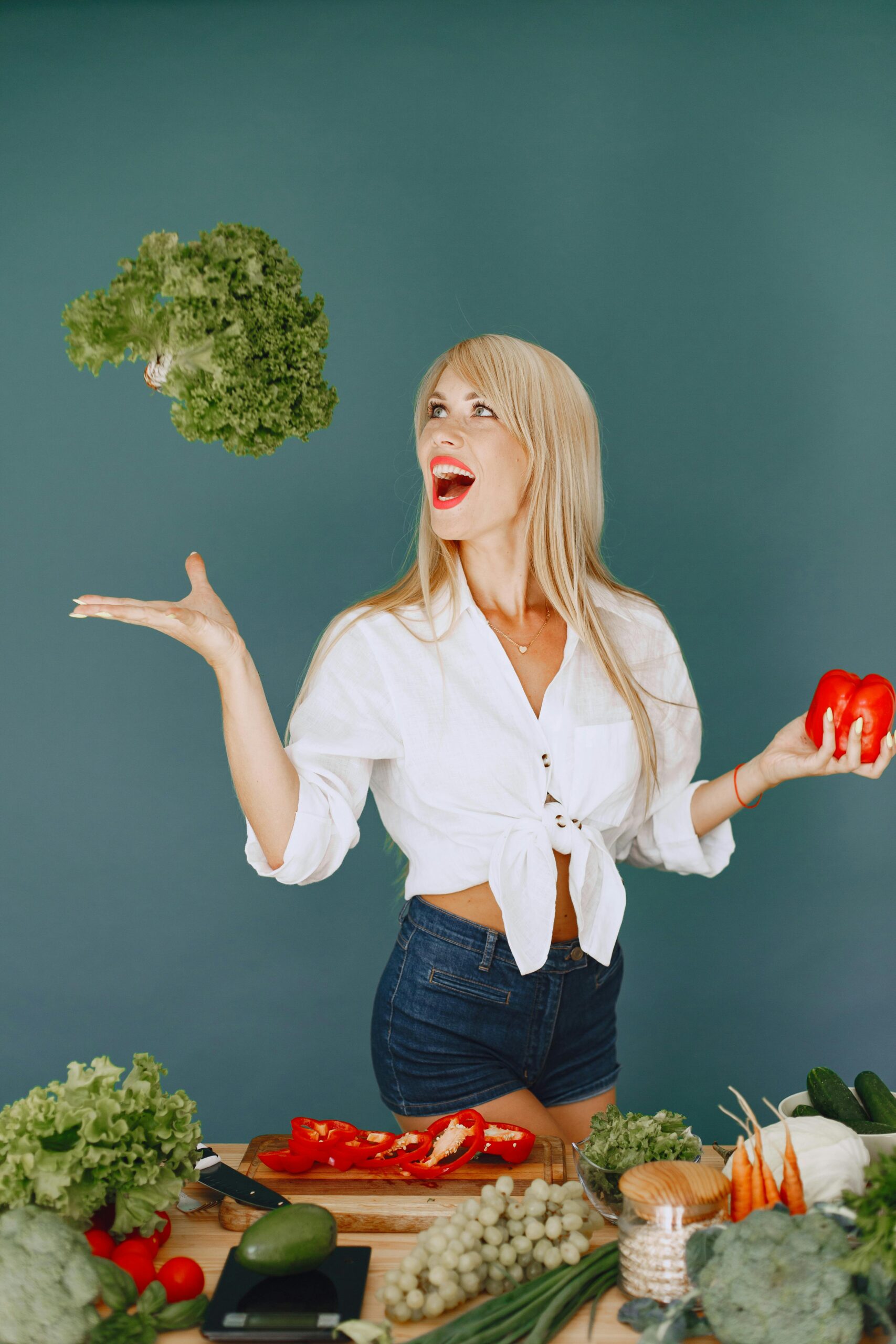
Recently, there seems to be a noticeable shift in how people approach cleaning their fresh produce. It’s interesting to observe the growing awareness around the importance of washing fruits and vegetables, driven perhaps by a mix of health consciousness and increased media coverage on food safety. People are paying more attention to what touches their food before it reaches their plates, and this change is reflected in the various methods now being discussed and adopted for cleaning produce more effectively.
One of the changes that stands out is the move towards using natural solutions rather than relying solely on water. There seems to be a rising interest in using mixes like vinegar and water, or even baking soda, to ensure that dirt and potential pesticide residues are removed. The use of these household items is appealing because they are perceived as safer alternatives to commercial cleaners, which some consumers are wary of due to chemical concerns. Additionally, these natural solutions are often already available in the kitchen, making them a convenient option.
Moreover, the way fruits and vegetables are being cleaned appears to be evolving with the times. People are increasingly looking into methods that not only clean but also extend the shelf life of their produce. Techniques such as soaking fruits in a vinegar solution are believed to kill bacteria more effectively, which is a factor that might contribute to the longevity of these perishable items. This focus on prolonging freshness becomes particularly relevant as households aim to reduce food waste, a topic that has gained considerable attention in recent years.
Interestingly, cultural and regional differences also play a role in how fruits and vegetables are washed. In some areas, traditional practices that have been passed down through generations are still prevalent. These might include specific water temperatures or unique homemade concoctions that are thought to be effective. Observing these variations highlights the diversity of approaches and the influence of historical practices on modern-day habits.
Another subtle factor influencing these changes is the growing access to information. With the internet and social media, people are more exposed to different ideas and techniques from around the world. This exposure has led to a blend of practices, where individuals might combine tips from various cultures to create a routine that feels right for them. It’s fascinating to see how global connectivity has made it easier to share and adapt new methods, contributing to the evolution of how produce is cleaned.
There’s also a noticeable shift towards being more environmentally conscious, which is subtly influencing how people choose to wash their produce. The desire to minimize water usage and reduce reliance on plastic packaging has led some to explore more sustainable washing methods. This might include using less water-intensive techniques or avoiding single-use plastic brushes and opting for biodegradable alternatives instead.
In observing these trends, it becomes clear that the way people approach washing their fruits and vegetables is becoming more personalized and thoughtful. While some might still prefer the traditional rinse under running water, others are experimenting with a variety of solutions and techniques. This broadening of practices reflects not just a concern for health and safety, but also a deeper consciousness about sustainability and resourcefulness in everyday life.
Ultimately, what’s evident is that the conversation around cleaning produce is evolving, shaped by a combination of health trends, cultural practices, and environmental considerations. As more people engage with this topic, it’s likely that we’ll continue to see innovative and diverse approaches to washing fruits and vegetables, each tailored to meet individual preferences and values.