
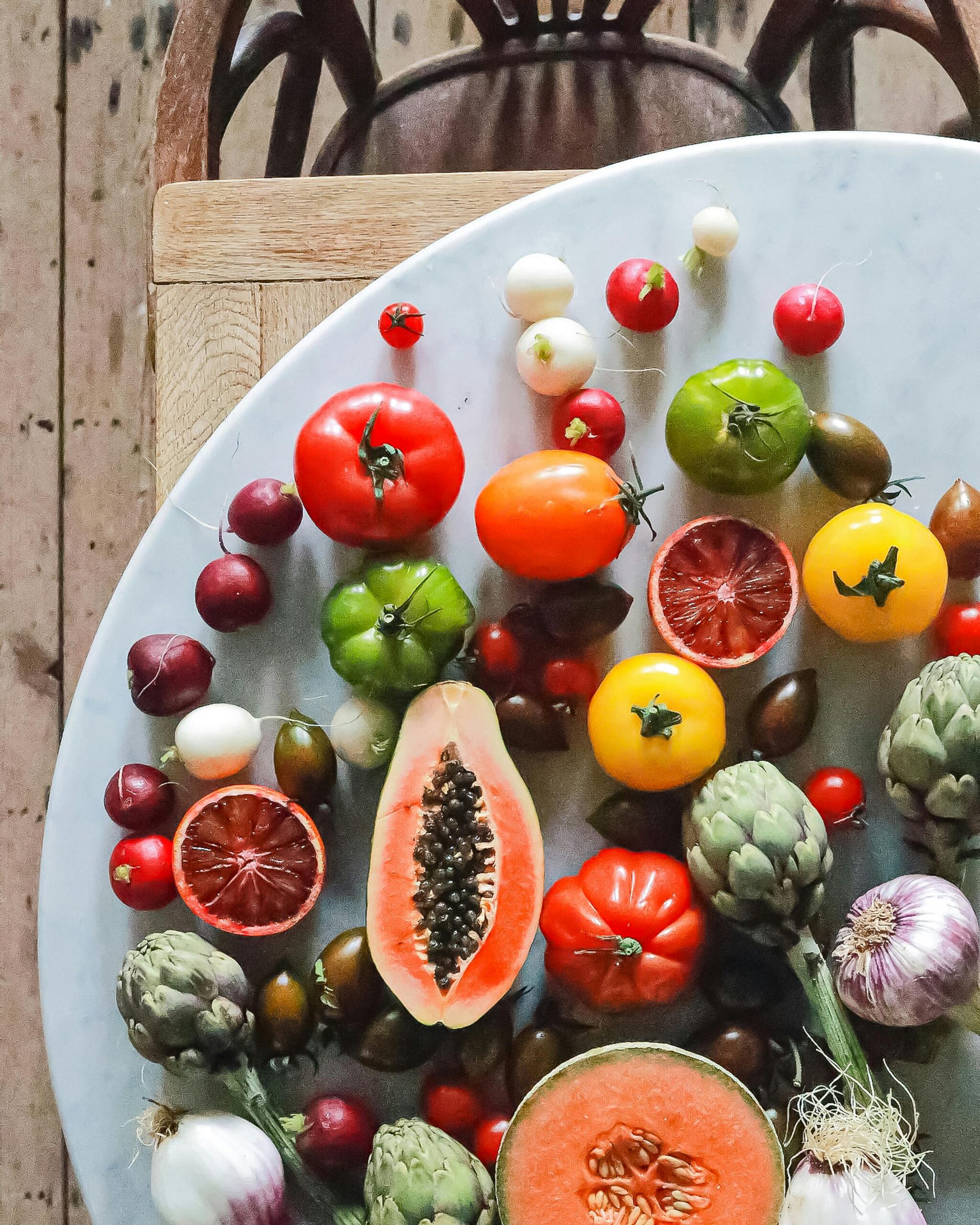
In today’s fast-paced world, it can be easy to overlook the importance of a balanced diet. However, incorporating more fruits and vegetables into your meals is crucial for maintaining good health. This article explores the many reasons why you should eat more fresh and organic produce, highlighting the benefits they offer and how they can contribute to a sustainable lifestyle.
Key Takeaways
- Fruits and vegetables are packed with essential nutrients.
- They support long-term health and prevent chronic diseases.
- Eating organic produce benefits both your body and the environment.
Why Choose Fresh and Organic Produce?
Choosing fresh and organic fruits and vegetables can significantly enhance your overall health. These foods are loaded with vitamins, minerals, and antioxidants that are essential for your body. Regular consumption of these nutrient-dense foods can help boost your immune system, allowing you to fend off illnesses and infections more effectively.
Moreover, organic produce is grown without synthetic pesticides and fertilizers, making them a safer choice for you and the environment. By opting for organic options, you’re not only prioritizing your health but also supporting sustainable farming practices that protect the planet.
Additionally, fresh fruits and vegetables are often tastier and more vibrant than their processed counterparts. This added flavor can make healthy meals more enjoyable, encouraging you to incorporate them into your diet more frequently.
Health Benefits of Eating More Fruits and Vegetables
One of the most compelling reasons to eat more fruits and vegetables is their role in preventing chronic diseases. Studies show that a diet rich in these foods can lower the risk of heart disease, diabetes, and certain cancers. The fiber found in fruits and vegetables aids in digestion and helps maintain a healthy weight, which is critical for preventing obesity-related diseases.
Furthermore, the high water content in many fruits and vegetables helps keep you hydrated, which is essential for overall health. Staying hydrated can improve your skin’s appearance, enhance cognitive function, and boost energy levels throughout the day.
Incorporating a variety of colors in your diet is also important. Different fruits and vegetables provide unique nutrients; for example, leafy greens are rich in iron, while oranges offer a healthy dose of vitamin C. By diversifying your intake, you ensure that your body receives a well-rounded array of vitamins and minerals, promoting optimal health.
Frequently Asked Questions
- Q1: How can I incorporate more fruits and vegetables into my diet?
Incorporating more fruits and vegetables into your meals can be simple and enjoyable. Start by adding a serving of fruit to your breakfast, such as berries or a banana in your cereal. For lunch, consider adding a side salad or including vegetables in your sandwiches. Snacks can also be made healthier by choosing fresh fruit or veggie sticks with hummus.
Experimenting with smoothies is another great way to include more produce in your diet. You can blend various fruits and leafy greens to create a delicious and nutritious drink. Lastly, try to fill half your plate with fruits and vegetables at every meal to ensure you’re consuming enough.
- Q2: Are frozen fruits and vegetables as healthy as fresh ones?
Yes, frozen fruits and vegetables can be just as nutritious as fresh options. They are often picked at peak ripeness and quickly frozen, which helps to preserve their nutrients. This makes them a convenient and longer-lasting alternative to fresh produce, especially if you want to reduce food waste.
However, be cautious of frozen options with added sugars or sodium. Always read labels and choose products that contain only fruits and vegetables without any additives. Including both fresh and frozen produce in your diet can provide you with flexibility while still reaping the health benefits.
- Q3: What are some easy ways to eat organic fruits and vegetables?
Eating organic fruits and vegetables can be made easy with a few simple strategies. Start by shopping at local farmers’ markets where you can find fresh, organic produce directly from growers. This not only supports local agriculture but also ensures you get the freshest options available.
You can also consider joining a community-supported agriculture (CSA) program, which provides a regular supply of organic produce. Additionally, growing your own fruits and vegetables, even in small spaces, can be a rewarding way to ensure you have access to organic options. Remember, every little change helps!