
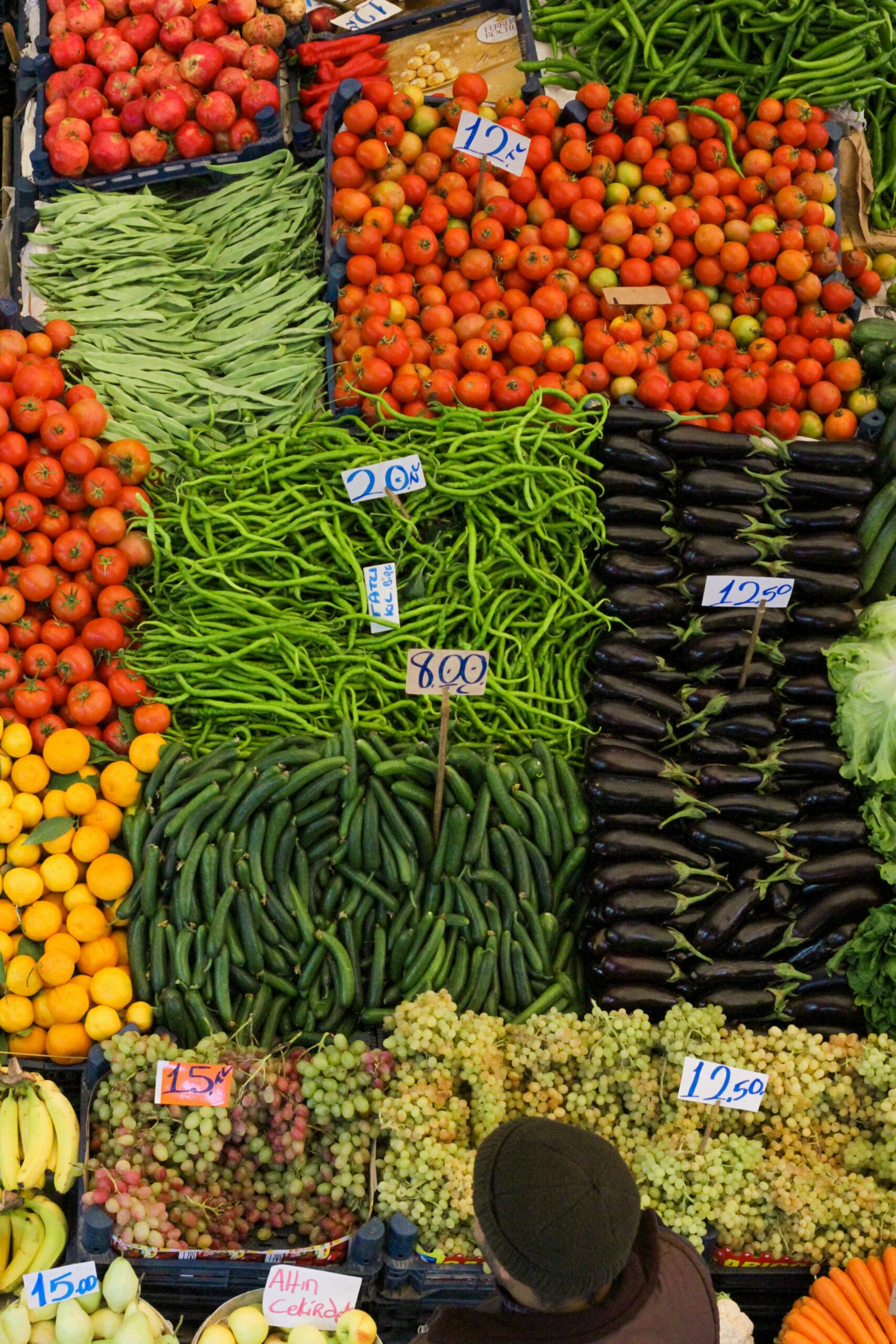
It stands out that more people are incorporating vegetables into their meals lately, often sharing colorful plates filled with greens and vibrant produce on social media platforms. This shift seems to be gaining momentum, reflecting a broader awareness of nutrition and health. As individuals become more conscious of their dietary choices, many appear to be exploring diverse ways to enjoy plant-based foods. There’s a noticeable trend where creative culinary approaches are being embraced, turning vegetables into the stars of the meal rather than mere side dishes.
The motivation behind this growing enthusiasm could be linked to an increasing focus on wellness and sustainability. More people are seeking to improve their diets, not just for personal health, but also for the environmental impact of their food choices. Many seem to appreciate how plant-based meals can contribute to a more sustainable lifestyle. The idea that eating more vegetables can support local farmers and reduce one’s carbon footprint resonates with a lot of individuals, who are eager to make choices that align with their values.
One can’t help but notice how the rise of food culture has influenced this vegetable movement. With the explosion of cooking shows and food blogs, there’s a wealth of inspiration available to those looking to diversify their diets. The emphasis on aesthetics in food presentation encourages home cooks to experiment with colorful combinations, often resulting in beautiful dishes that are both nutritious and visually appealing. It seems that the more delicious and attractive a dish looks, the more willing people are to try it, particularly when vegetables take center stage.
Social gatherings and community events have also played a role in this shift. Potlucks and farmers’ markets often showcase the bounty of seasonal produce, providing opportunities for people to discover new vegetables and recipes. There’s a certain charm in sharing meals that celebrate fresh ingredients. Many are finding joy in trying new vegetable varieties, perhaps something they had never considered before. It’s as if there’s a collective curiosity being sparked, pushing individuals to explore flavors they might have previously overlooked.
Interestingly, the rise of plant-based dining options in restaurants has contributed significantly to this trend. More eateries are offering creative vegetable dishes that highlight local produce, making it easier for diners to enjoy meals packed with greens. The growing popularity of vegetarian and vegan cuisine has encouraged many to experiment with dishes they might not have tried otherwise. It’s fascinating to see how this culinary shift is encouraging home cooks to replicate these innovative ideas in their own kitchens.
There seems to be a shift in how people perceive the taste and texture of vegetables as well. What was once seen as bland or unappealing is now being reimagined through various cooking techniques. Roasting, grilling, and pickling are just a few methods that are transforming the way vegetables are enjoyed, enhancing their natural flavors in delightful ways. The trend of incorporating spices and global flavors into vegetable dishes is also gaining traction, making it more appealing to those who may have been hesitant to embrace a veggie-forward diet.
In conversations about food, it’s increasingly common to hear people discussing the health benefits of eating more vegetables. Nutritional information is more accessible than ever, and many are taking notice of how a diet rich in plant-based foods can lead to improved energy levels and overall well-being. People appear to be more aware of the importance of fiber, vitamins, and minerals that vegetables provide, which is encouraging them to seek out innovative ways to include them in their meals.
There’s also a marked increase in the availability of vegetable-based products, from spiralized zucchini noodles to cauliflower rice. These alternatives are often marketed as healthier options, appealing to those looking to reduce their carbohydrate intake or simply add more veggies to their plate. The convenience of these products can’t be understated; they make it easier for individuals to incorporate more vegetables into their diets without extensive cooking or preparation.
As this trend continues to unfold, it’s evident that the relationship people have with vegetables is evolving. The growing interest seems to be driven by a combination of health consciousness, culinary creativity, and a desire for sustainability. The humble vegetable is being celebrated in ways that reflect a shift towards healthier eating habits, making it an exciting time for food lovers everywhere. It’s intriguing to observe how these changes unfold, shaping the way meals are prepared and enjoyed across various communities.