
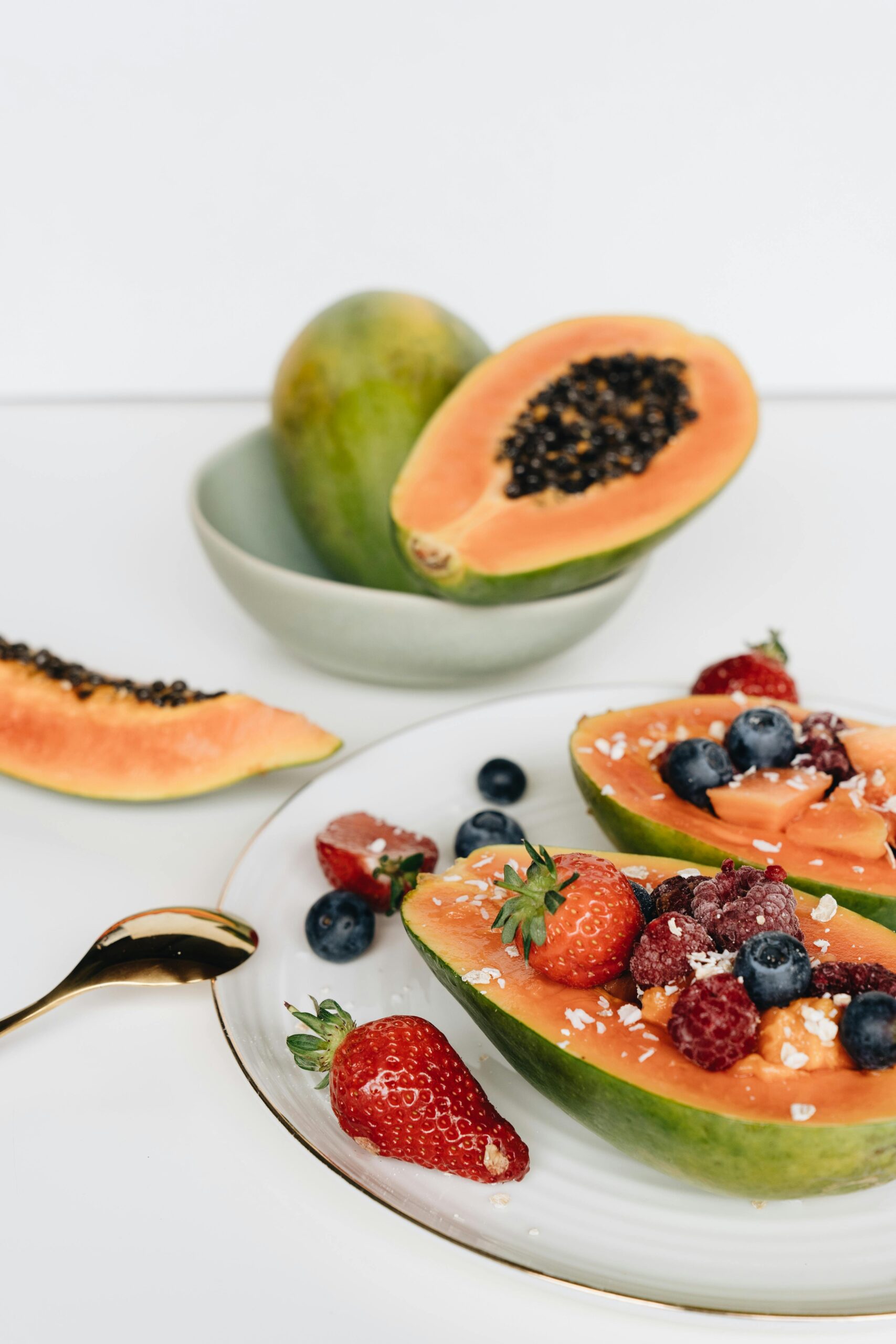
It’s interesting to see how the conversation around skin health has shifted towards the role of diet, particularly fruits and vegetables. More and more people seem to be exploring how what they consume can influence their skin’s appearance and health. Fresh produce, often overlooked in daily routines, appears to be gaining recognition as a vital component of skincare, not just for its vitamins and minerals but for the overall vibrancy it can bring. The vibrant colors of fruits and vegetables seem to reflect the life they can infuse into our skin, almost as if there’s a direct connection between what we eat and how we glow.
In recent months, there’s been a noticeable uptick in discussions about specific fruits and vegetables rich in antioxidants and hydration properties. It seems that individuals are becoming more attuned to the idea that skin benefits can come from within. For instance, the popularity of berries has surged, as their high levels of vitamin C and antioxidants are recognized for fighting free radicals, which can lead to premature aging. People often share recipes that incorporate these small yet powerful fruits into smoothies or snacks, highlighting how easy it can be to consume them as part of a daily routine.
Furthermore, the rise of plant-based diets has contributed significantly to this trend. As more individuals explore vegetarian or vegan lifestyles, they inadvertently discover the benefits of a wide array of produce. Seasonal vegetables like kale and sweet potatoes have found their way into many meals, with their rich nutrient profiles becoming a talking point among health enthusiasts. It’s fascinating to observe how this dietary shift is not just about nutrition but also about enhancing one’s complexion and overall well-being. Many are beginning to realize that the glow of healthy skin can be a reflection of a balanced diet, showcasing the interplay between food choices and physical appearance.
Interestingly, there’s also a growing awareness of the importance of hydration and how fruits and vegetables can play a crucial role in this aspect. Cucumbers and watermelon, for example, are not only refreshing but are also composed of high water content, which can help maintain skin moisture levels. The simple act of snacking on these hydrating foods seems to be a small yet effective change that people are making to support their skin health. As conversations around hydration gain momentum, the connection between moisture intake and skin elasticity becomes a focal point, encouraging more individuals to reach for fruits and vegetables instead of processed snacks.
Moreover, the subtle but significant role of micronutrients often goes unnoticed. Nutrients such as zinc and vitamin E, found in various nuts and leafy greens, are becoming recognized for their impact on skin repair and regeneration. It’s striking how these lesser-known aspects of diet are making their way into everyday discussions. People appear to be sharing not just recipes but also tips on how to incorporate these foods seamlessly into their lives, focusing on the cumulative benefits these dietary choices can have over time. This shift towards a more conscious approach to eating seems to be empowering many to take charge of their skin health in a way that feels organic and sustainable.
As communities increasingly celebrate local farmers’ markets and organic produce, there seems to be a collective movement towards understanding the source of our food. The connection to local farming fosters a deeper appreciation for seasonal fruits and vegetables, which often contain higher nutrient levels compared to mass-produced options. This trend not only supports local economies but also encourages a more mindful approach to eating. When individuals choose to consume what is in season, they often find themselves experimenting with new recipes and flavors, further enhancing their enjoyment and connection to their meals.
It’s quite remarkable how this growing interest in fruits and vegetables for skin health reflects broader lifestyle changes and values. The focus on holistic well-being, sustainability, and mindful eating is becoming more pronounced, influencing how people perceive food’s role in their lives. The conversation is evolving, and as more individuals recognize the impact of their choices, it seems likely that the appreciation for fresh produce will only continue to grow. It’s a reminder of how interconnected our health and dietary habits are, and how simple changes can lead to profound effects on our skin and overall vitality.