
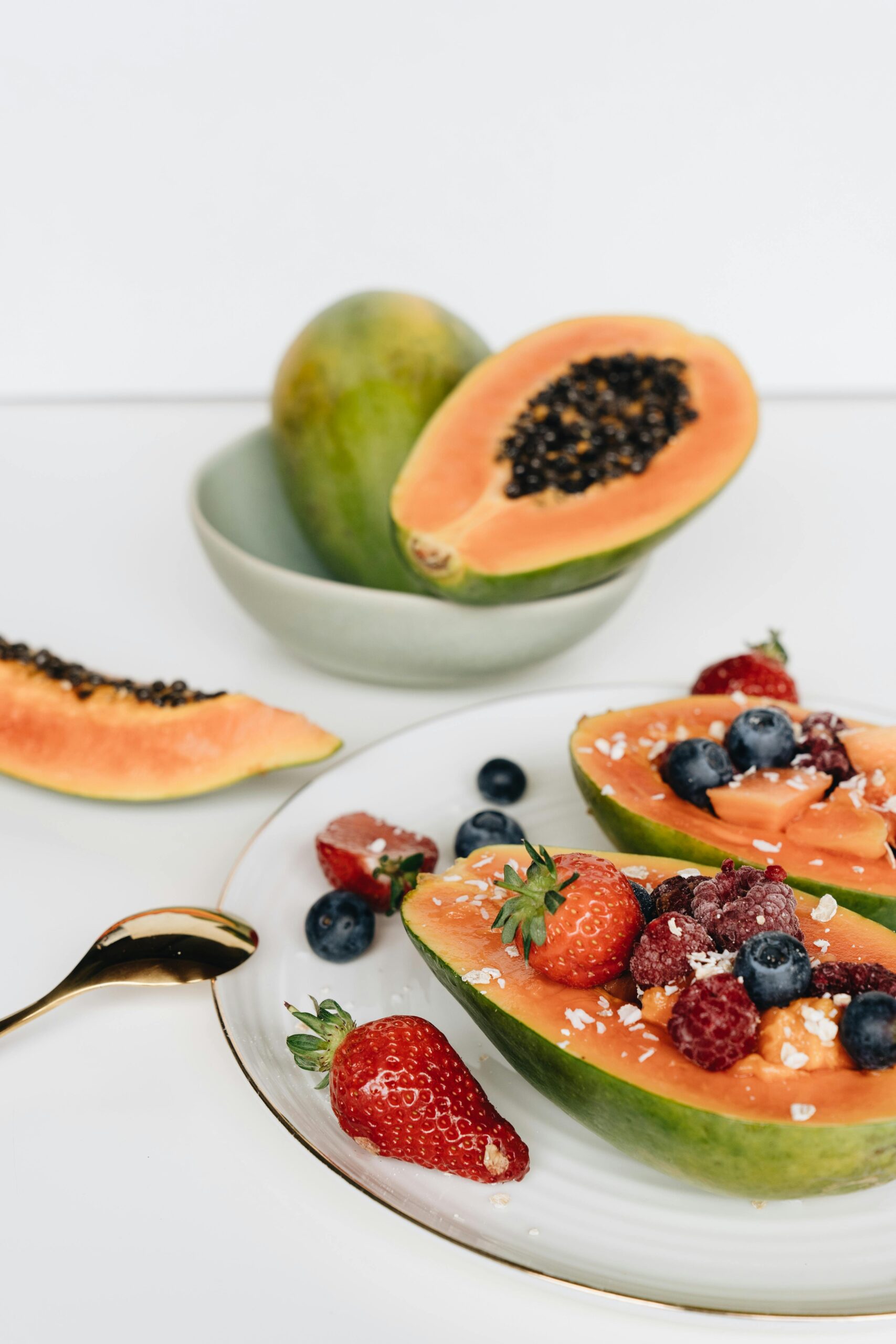
It seems increasingly apparent that the presence of iron-rich fruits and vegetables is capturing more attention in dietary discussions and shopping habits. Walking through the local markets, one might notice that stalls are more frequently stocked with vibrant green leafy vegetables and an array of deeply colored berries. These items are not only visually appealing but have become a staple for those seeking to enhance their nutritional intake naturally.
In recent years, there appears to be a subtle shift in consumer awareness regarding nutritional deficiencies, specifically iron deficiency. This shift can partly be attributed to the growing body of research highlighting the importance of iron in maintaining health and vitality. People are more inclined now to seek out natural sources of nutrients, and iron-rich fruits and vegetables stand out as key components in this pursuit.
Among the vegetables, spinach and kale seem to be gaining popularity. It’s interesting to note how these greens have moved from being just a side dish to a central element in meals. Whether incorporated into smoothies or featured prominently in salads, there seems to be a trend towards integrating these iron-rich options into everyday diets. Similarly, the inclusion of legumes like lentils and chickpeas, which are also excellent sources of iron, seems to be on the rise. These are not just seen as meat substitutes but are appreciated for their own nutritional merits.
On the fruit front, the allure of dried fruits such as apricots and raisins cannot be overlooked. Their convenience and concentrated iron content make them a favored option for those with busy lifestyles. It’s fascinating to observe how these dried varieties are being used in both sweet and savory dishes, highlighting their versatility. Additionally, berries like blackberries and strawberries, while not traditionally linked with high iron content, are increasingly acknowledged for their role in aiding iron absorption due to their vitamin C content.
What might be driving this heightened interest now more than ever could be the broader cultural shift towards healthier living. As more individuals become aware of the impacts of diet on overall well-being, there is a tendency to explore and adopt foods that provide specific health benefits. The role of social media in this cannot be understated, as it plays a significant part in spreading trends and information quickly. Visual platforms showcasing colorful and nutritious meals inspire many to incorporate such ingredients into their routines.
Another intriguing observation is the increased accessibility of these iron-rich fruits and vegetables. Farmers’ markets and grocery stores have expanded their offerings to include a more diverse array of produce. This not only makes it easier for consumers to access these foods but also supports local agriculture and sustainability efforts. The rising popularity of organic produce further indicates a shift in consumer priorities towards quality and source transparency.
It is also worth mentioning the subtle influence of culinary diversity on these changing preferences. With the global palate becoming more adventurous, dishes from various cultures that highlight iron-rich ingredients are being embraced. Middle Eastern and Mediterranean cuisines, for instance, often feature lentils and greens, which are now finding their way into more mainstream menus. This cross-cultural culinary exchange enriches the dietary landscape and promotes a more inclusive approach to nutrition.
While the focus might often be on more traditional sources of iron, such as red meat, the growing attention on plant-based sources is significant. There is an increasing recognition that a variety of foods can contribute to a balanced iron intake. People seem to be more mindful of diversifying their diets, perhaps as a response to the conversation around sustainability and health.
In summary, while not overtly discussed, the observation of these trends suggests a broader movement towards incorporating iron-rich fruits and vegetables into daily diets. This shift is driven by a combination of increased health awareness, cultural influences, and greater accessibility to diverse produce. As these elements continue to evolve, it will be interesting to see how they shape future dietary patterns and preferences.