
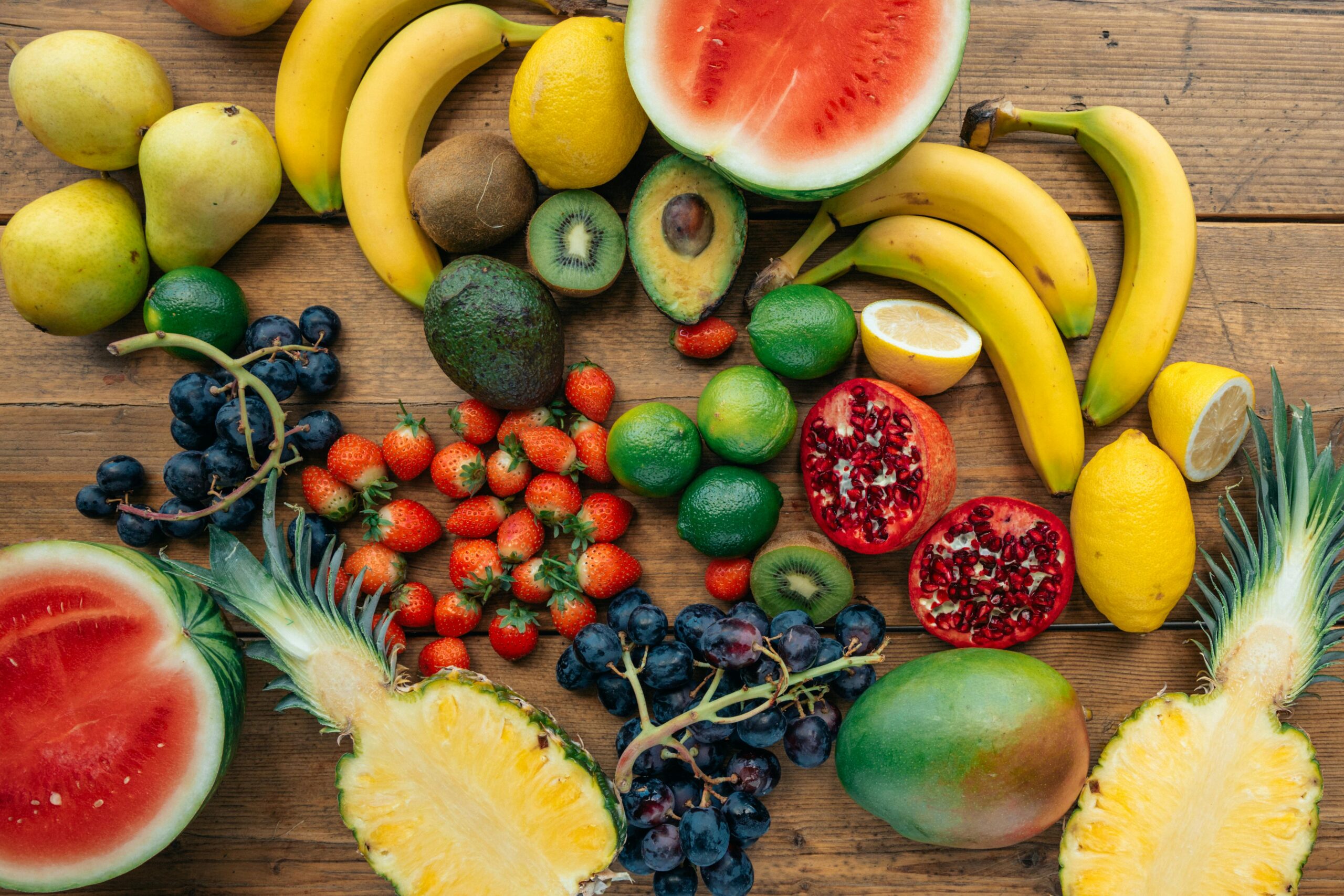
As one strolls through the vibrant aisles of a bustling market, it becomes apparent that fruits and vegetables rich in potassium are garnering increased attention. The colorful displays of bananas, avocados, and sweet potatoes seem to draw more curious eyes and eager hands than ever before. There’s a growing awareness of the benefits these produce items offer, possibly driven by a shift towards healthier eating habits and a deeper understanding of nutritional needs. The shiny skins of bananas reflect more than just light; they reflect an emerging trend towards natural sources of essential minerals.
In recent months, the chatter among health enthusiasts about the benefits of potassium has noticeably increased. People seem to be more aware of how this vital mineral supports heart health, muscle function, and fluid balance. As one observes the choices of shoppers, there’s a noticeable preference for foods that not only promise taste but also deliver on health. Avocados, with their creamy texture and rich taste, often find their way into shopping carts, not just for their gastronomic appeal but also for their high potassium content. This shift in consumer behavior suggests that the once overlooked aspect of diet is now coming to the forefront.
Sweet potatoes, with their earthy sweetness and vibrant orange hue, seem to have found a renewed place in many kitchens. It’s intriguing to see them featured more prominently in recipes and dishes shared on social media platforms. Their versatility and nutritional profile make them a favorite among those looking to increase their intake of potassium naturally. Similarly, the humble spinach, often found bundled in fresh, green bunches, is enjoying a resurgence. Its ability to blend seamlessly into smoothies or serve as a base for salads makes it a convenient choice for health-conscious individuals.
The rising interest in these potassium-rich foods might also be linked to a broader movement towards plant-based diets. With environmental concerns and ethical eating becoming more prominent, many are turning to fruits and vegetables as primary sources of nutrition. This shift not only benefits personal health but also contributes to sustainability. Observing the choices in various eateries, it seems that restaurants are incorporating more of these ingredients into their menus, perhaps responding to the evolving preferences of their patrons.
One cannot ignore the subtle influence of cultural factors on this trend. As culinary traditions from around the world become more accessible, ingredients like dates and pomegranates, known for their potassium content, are making their way into everyday meals. These foods, rich in flavor and history, offer a taste of global cuisine while supporting dietary needs. It’s fascinating to observe this fusion of tradition and health consciousness in the modern diet.
Another underestimated factor driving this interest could be the simplification of nutritional information. As technology makes information more accessible, people can easily learn about the benefits of specific nutrients. This knowledge empowers them to make informed decisions about their diets, leading them to prioritize foods that offer both nutritional and culinary satisfaction. The ease of finding recipes and meal plans that highlight potassium-rich ingredients further encourages this shift.
In the context of this evolving landscape, it’s interesting to note how certain fruits and vegetables, once considered exotic, are becoming everyday staples. Take the kiwi, for example, with its unique flavor and texture, now readily available in most grocery stores. Its high potassium content is often highlighted in health articles, drawing attention to its benefits and encouraging its inclusion in the diet.
As the days pass, one can observe the subtle yet significant changes in how people approach their meals. There’s a deliberate effort to include more variety, not just for taste but for the myriad health benefits these foods provide. This approach to eating, where nutrition meets enjoyment, seems to be gaining ground, suggesting a promising shift towards more mindful consumption. It’s a reminder that food is not just sustenance but a vital component of wellbeing.