
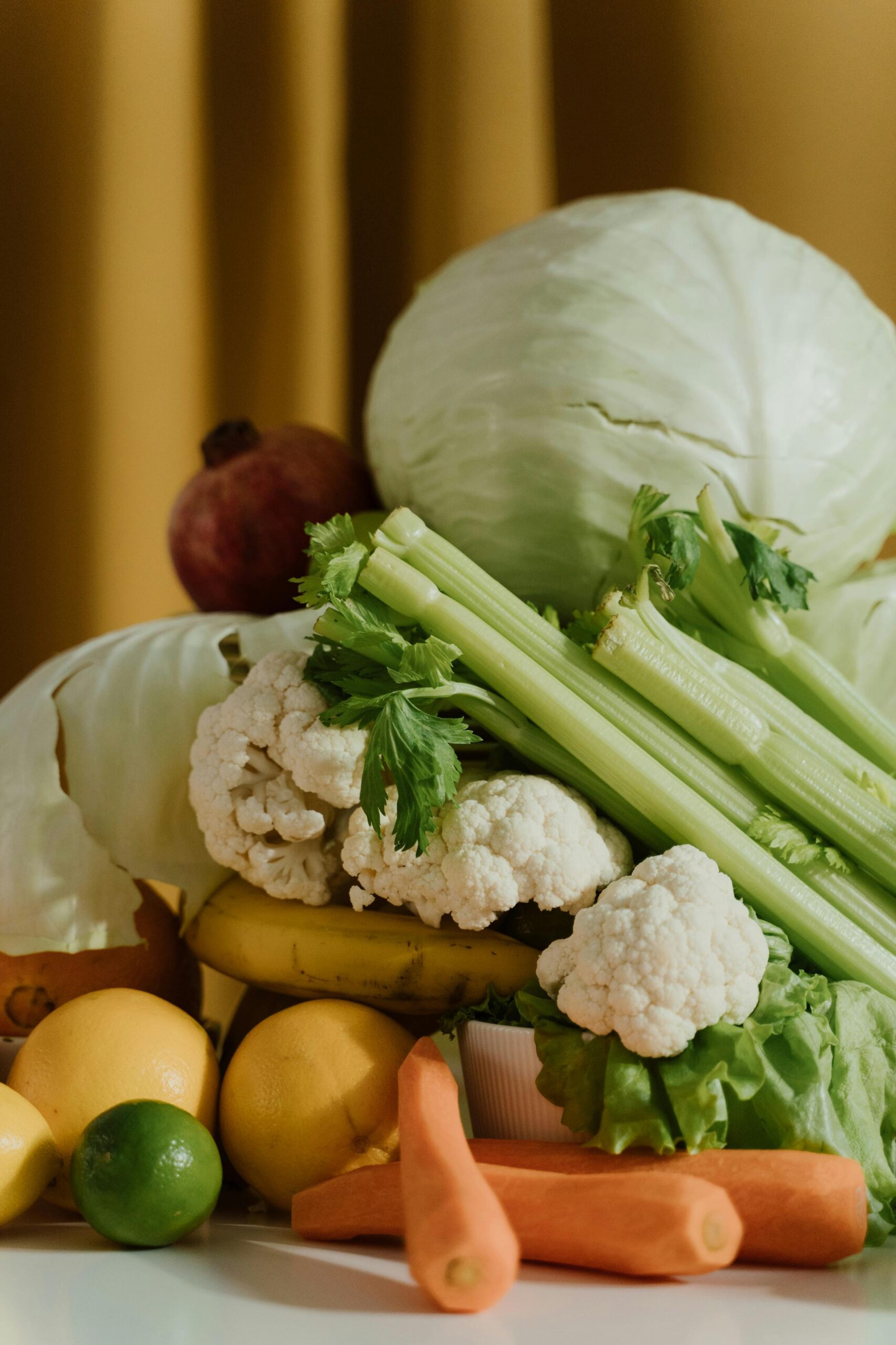
Eating a diet rich in vegetables can transform your health and well-being. It’s no secret that incorporating more greens into your meals can lead to numerous health benefits, including improved digestion and enhanced energy levels. However, many people struggle to find ways to add more vegetables to their daily routine. This article will provide practical tips and strategies for integrating fresh and organic vegetables into your diet, making it both enjoyable and sustainable.
Key Takeaways
- Incorporate vegetables into every meal for balanced nutrition.
- Experiment with different cooking methods to enhance flavor.
- Plan your meals around seasonal and local produce for sustainability.
Creative Ways to Add Vegetables to Your Meals
One of the most effective ways to include more vegetables in your diet is to start by adding them to your favorite dishes. For instance, if you love pasta, try tossing in some sautéed spinach or roasted zucchini. This not only increases the nutritional value of your meal but also adds vibrant colors and flavors. A simple addition of fresh vegetables can elevate your culinary experience.
Another approach is to make vegetables the star of the show. Consider preparing a stir-fry or a vegetable curry where a variety of organic vegetables take center stage. Use a mix of bell peppers, carrots, and broccoli to create a visually appealing dish that packs a punch in terms of flavor and nutrition. When vegetables are the main ingredient, you can enjoy a hearty meal that is both satisfying and healthy.
Don’t forget about smoothies! Blending spinach, kale, or cucumbers into your morning smoothie can be a game-changer. The sweetness from fruits like bananas or berries will mask the taste of the greens, making it an easy and delicious way to consume more vegetables. This is an especially great option for those who are hesitant about eating vegetables outright.
Snack Smart with Vegetables
Snacking can often lead to unhealthy choices, but it doesn’t have to! Instead of reaching for chips or sugary treats, consider keeping pre-cut vegetables on hand. Carrots, celery, and bell pepper strips paired with hummus or a yogurt dip make for a nutritious and satisfying snack. This way, you’re not only enjoying something tasty but also ensuring you get your daily dose of vitamins and minerals.
Another fun way to enjoy vegetables as a snack is to make veggie chips. You can easily bake kale, sweet potatoes, or beets in the oven for a crunchy treat. These homemade chips are a great alternative to processed snacks and allow you to control the ingredients, ensuring they are organic and healthy.
Lastly, consider incorporating vegetables into your breakfast routine. Adding diced tomatoes and spinach to your omelet or including roasted vegetables in a breakfast burrito can kickstart your day with essential nutrients. This habit can also help you feel full longer, reducing the temptation to snack on unhealthy foods later in the day.
Planning for Success
Meal planning is a powerful tool for those looking to include more vegetables in their diet. By planning your meals for the week, you can ensure that you have a variety of fresh produce readily available. Visit local farmers’ markets to find seasonal vegetables that are not only fresher but often more flavorful. This supports local agriculture and is a more sustainable choice.
Another tip is to experiment with recipes that highlight vegetables. Look for cookbooks or online resources that focus on plant-based meals. By trying out new recipes, you’ll discover delicious ways to enjoy vegetables that you may not have considered before. This can make your meals exciting and varied, helping you stay committed to your goal of eating more veggies.
Finally, consider joining a community supported agriculture (CSA) program. This will not only provide you with a consistent supply of fresh vegetables but also encourage you to try new types that you might not typically purchase. Engaging with community resources can inspire you to be more adventurous in your cooking and eating habits.
Frequently Asked Questions
- What are the best vegetables to start with if I’m new to eating more greens?
If you’re new to incorporating more vegetables into your diet, start with those that you already enjoy. Common options like carrots, bell peppers, and cucumbers are great choices. You can also try leafy greens like spinach or kale, as they are versatile and can be used in various dishes. Gradually introduce other vegetables, such as broccoli or zucchini, to expand your palate.
- How can I make vegetables more appealing to my kids?
Making vegetables appealing to children can sometimes be a challenge. One effective method is to involve them in the cooking process. Allow them to choose which vegetables to include in meals or let them help with washing and preparing. You can also make vegetables fun by creating colorful plates or serving them with dips. Experimenting with different cooking methods, like roasting or grilling, can also enhance the flavors and make them more enticing.
- Are frozen vegetables as nutritious as fresh ones?
Yes, frozen vegetables can be just as nutritious as fresh ones. In fact, they are often frozen at peak ripeness, which helps preserve their vitamins and minerals. When fresh vegetables are out of season or if you’re short on time, frozen options can be a convenient and healthy alternative. Just be sure to choose frozen veggies without added sauces or preservatives for the best nutritional value.