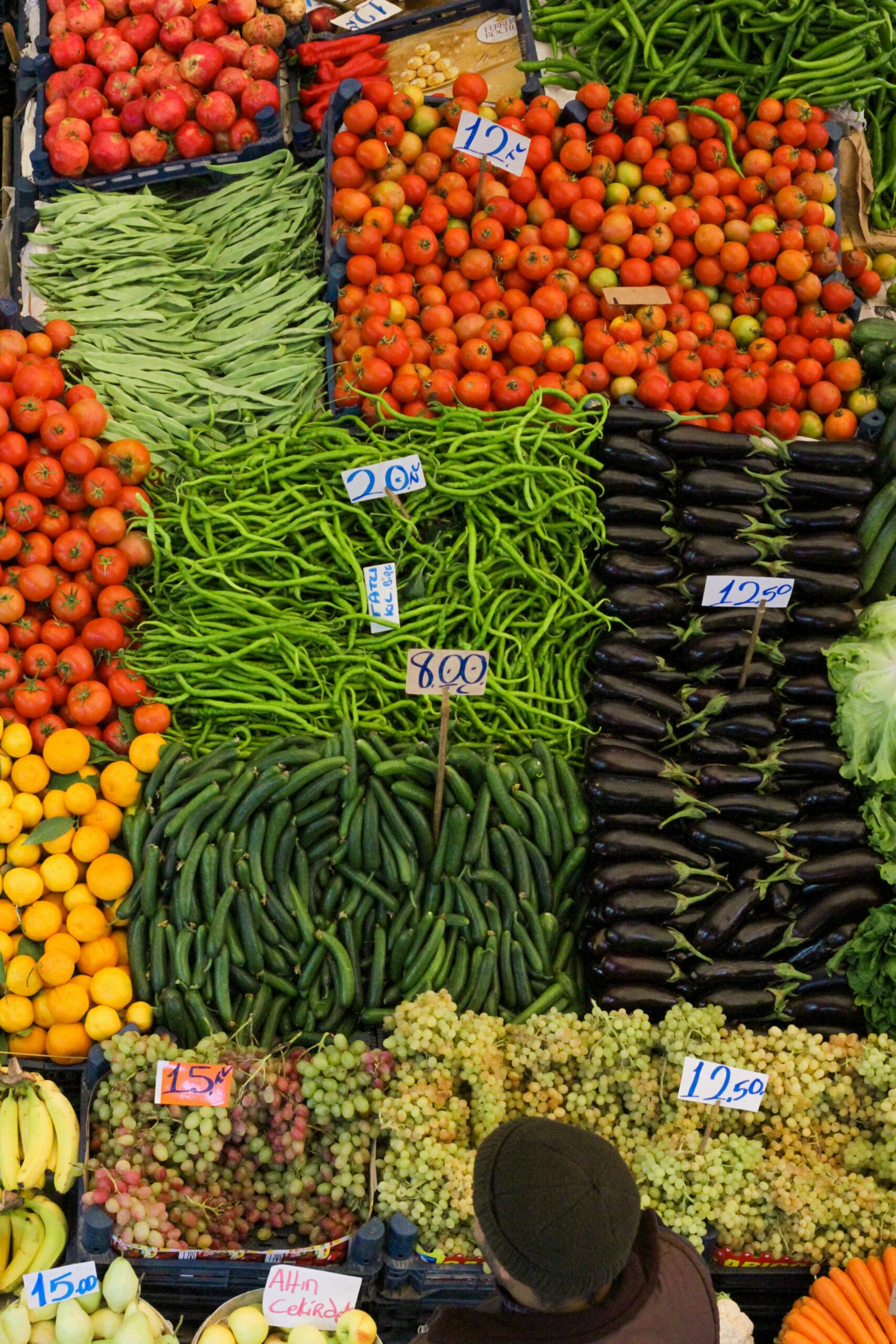
When it comes to choosing vegetables, the debate between fresh and frozen options is a common one. Both have their own unique advantages and disadvantages, and understanding these can help you make informed decisions for your meals and overall health. Let’s explore the key differences, benefits, and considerations regarding frozen versus fresh vegetables.
Key Takeaways
- Fresh vegetables are often considered more nutritious when consumed shortly after harvesting.
- Frozen vegetables can retain vitamins and minerals better than some fresh options, especially if stored for long periods.
- Both options can be part of a sustainable diet, depending on sourcing and storage.
Understanding Fresh Vegetables
Fresh vegetables are often viewed as the gold standard in nutrition. They are typically harvested at their peak ripeness, which means they are full of flavor and packed with essential nutrients. Eating organic fresh vegetables can also reduce your exposure to pesticides, making them a popular choice for health-conscious consumers. However, the drawback is that fresh vegetables have a limited shelf life, and if not consumed quickly, they can spoil.
When shopping for fresh vegetables, it’s important to consider seasonal availability. Buying vegetables in season not only supports local farmers and the economy but also ensures that you are consuming produce with the best taste and nutritional value. Additionally, fresh vegetables can be incredibly versatile, making them ideal for a variety of dishes from salads to stir-fries.
However, fresh vegetables might require more preparation and cooking time, which can be a downside for those with busy lifestyles. Furthermore, if you live in an area where fresh produce is not readily available, you may find it challenging to maintain a consistent supply of fresh options.
Exploring Frozen Vegetables
Frozen vegetables offer a convenient alternative to their fresh counterparts. They are typically harvested at peak ripeness and quickly frozen, which helps lock in their nutrients. This means that in many cases, frozen vegetables can retain more vitamins and minerals than fresh vegetables that have been stored for several days. This is a significant advantage for those who want to maximize their nutrient intake.
One of the main benefits of frozen vegetables is their long shelf life. They can be stored for months without spoiling, making them an ideal choice for meal prep and quick cooking. Additionally, frozen vegetables are often pre-washed and pre-cut, which saves valuable cooking time. This convenience makes it easier to incorporate more vegetables into your diet regularly.
On the flip side, some people argue that frozen vegetables can lose texture and flavor after being frozen. While this might be true for certain types, many brands are improving their freezing techniques to maintain quality. Furthermore, heavily processed frozen vegetables, especially those with added sauces or seasonings, may not be as healthy as their plain counterparts.
Comparing Nutritional Value
Nutritionally, both fresh and frozen vegetables can play essential roles in a balanced diet. Fresh vegetables are often rich in vitamins and minerals, but their nutrient content can diminish over time after harvest. In contrast, frozen vegetables are usually frozen within hours of being picked, preserving their nutritional value.
Studies have shown that while some nutrients may decrease during the freezing process, essential vitamins like vitamin C and fiber remain relatively stable. Therefore, if you’re unable to access fresh produce regularly, frozen vegetables can be a fantastic alternative without sacrificing health benefits.
It’s also worth noting that the method of cooking can affect nutrient retention in both fresh and frozen vegetables. Steaming or microwaving are generally better methods for retaining vitamins compared to boiling, which can lead to nutrient loss in the cooking water.
Frequently Asked Questions
- Q1: Are frozen vegetables less nutritious than fresh vegetables?
Not necessarily. While fresh vegetables are often perceived as healthier, frozen vegetables can be just as nutritious, if not more so, depending on how long they are stored. Frozen vegetables are usually picked at their peak ripeness and quickly frozen, which helps retain their nutrients. In many cases, frozen vegetables can be a more practical and equally healthy option.
- Q2: How should I store fresh vegetables to maximize their freshness?
To keep fresh vegetables at their best, store them in the refrigerator in a crisper drawer, which helps maintain humidity. Some vegetables, such as potatoes and onions, should be kept in a cool, dark place outside the fridge. It’s essential to wash fresh vegetables only before use to prevent moisture buildup that can lead to spoilage.
- Q3: Can I combine frozen and fresh vegetables in my meals?
Absolutely! Combining frozen and fresh vegetables can enhance the nutritional value and flavor of your meals. Using fresh vegetables for texture and taste, alongside frozen options for convenience, can make meal prep quicker and easier. Just be mindful of the cooking times, as frozen vegetables may require slightly different preparation times than fresh ones.