
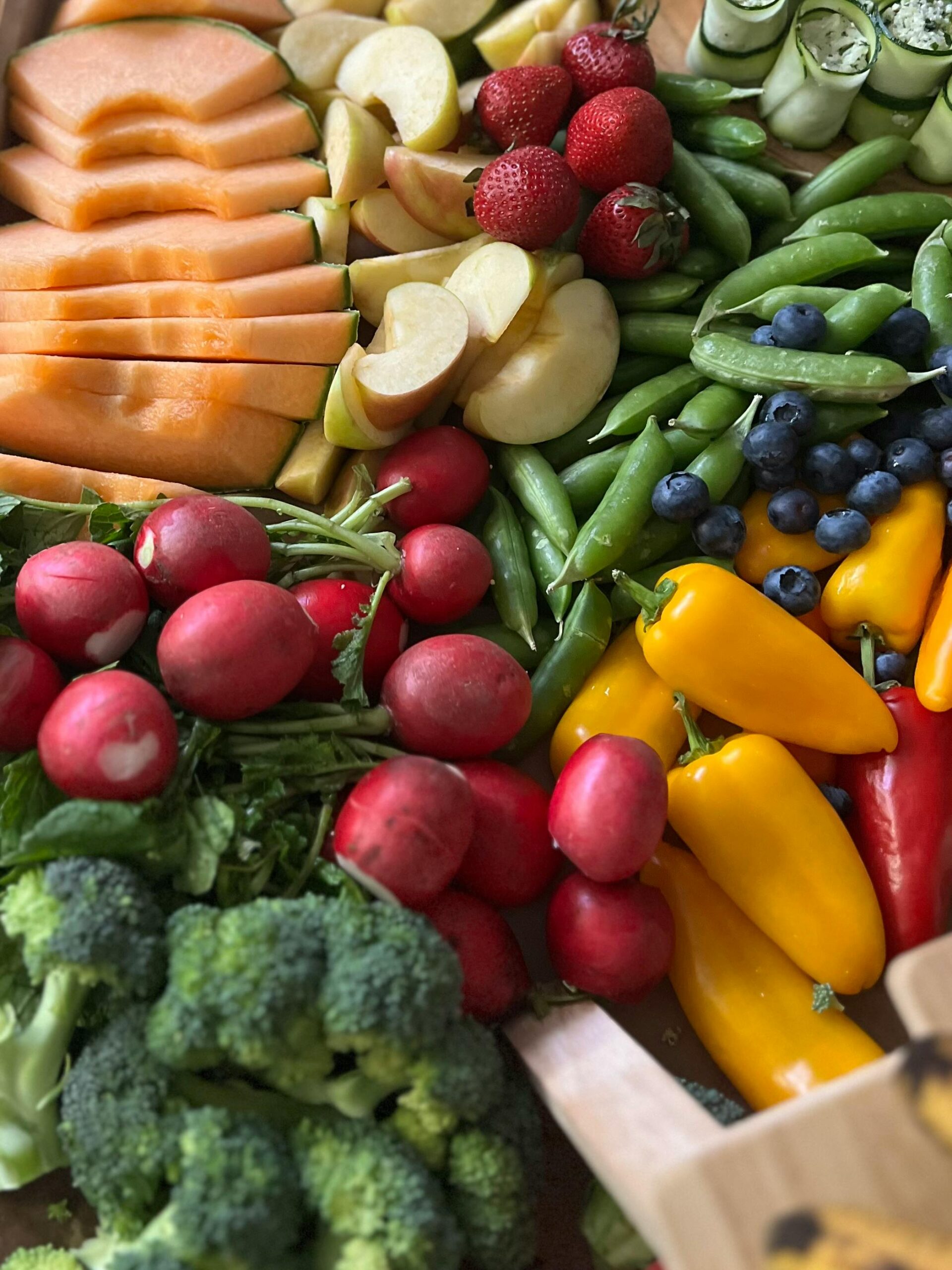
Storing fresh fruits properly can significantly enhance their lifespan and maintain their flavor and nutrients. Whether you buy them at a local market or pick them from your own garden, knowing the best methods for storage is essential. This guide will provide you with simple yet effective techniques to ensure your fruits stay fresh, flavorful, and ready to enjoy.
Key Takeaways
- Store fruits in a cool, dry place to prolong freshness.
- Use breathable bags or containers to prevent moisture buildup.
- Keep fruits separate from vegetables to avoid spoilage.
Understanding Fresh Fruit Storage
When it comes to storing fresh fruits, understanding their unique needs is crucial. Each type of fruit has different storage requirements due to varying levels of ripeness and moisture content. For instance, while some fruits continue to ripen after being picked, others do not. Knowing this will help you store fruits in a way that maximizes their lifespan.
To start, always choose the freshest fruits available. Look for fruits that are firm and free from bruises or blemishes. Once you have selected your fruits, the next step is to consider the best storage conditions. Most fruits benefit from being kept in a cool, dark place away from direct sunlight, as exposure can lead to faster spoilage.
Additionally, consider the humidity levels in your storage area. A dry environment is ideal for most fruits, while some may require slightly more moisture. Using a dehumidifier or placing a paper towel in your storage container can help absorb excess moisture, preventing mold and decay.
Best Practices for Storing Fresh Fruits
One of the most effective ways to store fresh fruits is by utilizing breathable bags or containers. These allow for air circulation, reducing the chances of moisture buildup that can lead to spoilage. Plastic bags are not ideal as they trap moisture; instead, opt for mesh bags or paper bags. If you’re storing cut fruits, make sure to seal them in airtight containers to keep them fresh.
It’s also important to separate your fruits from vegetables. Many fruits, such as apples and bananas, emit ethylene gas which can cause nearby vegetables to ripen and spoil faster. By keeping them apart, you can help extend the life of both your fruits and vegetables.
Another key consideration is the ripeness of the fruits at the time of storage. Some fruits, like avocados and peaches, should be stored at room temperature until they ripen, after which they can be moved to the refrigerator. Conversely, berries should be stored directly in the fridge to maintain their freshness. Always wash fruits just before consumption to retain their natural oils and flavors.
Frequently Asked Questions
- How long can I store fresh fruits?
The storage duration for fresh fruits varies significantly depending on the type. For example, apples can last up to 4-6 weeks in the fridge, while berries should be consumed within a week. To get the most out of your fruits, always check for signs of spoilage and consume them while they are still fresh.
- Is it safe to wash fruits before storing them?
Washing fruits before storage can lead to increased moisture, which promotes mold growth. It’s best to wash them right before you eat them. However, if you must wash them beforehand, ensure they are thoroughly dried before storage to reduce moisture levels.
- What are the best containers for storing fruits?
For optimal storage, consider using containers that allow for airflow. Glass containers with lids that have ventilation holes or bamboo baskets are great options. Avoid plastic containers unless they are specifically designed for storing fruits, as they can trap moisture and lead to spoilage.
- Can I freeze fresh fruits for later use?
Absolutely! Freezing is a great method to preserve fresh fruits. However, it’s essential to wash and dry them thoroughly, then cut them into manageable pieces. Flash-freezing them on a baking sheet before transferring them to airtight bags helps prevent clumping and maintains their texture upon thawing.
- How can I tell if my stored fruits are bad?
Signs of spoilage include an off smell, unusual softness, or mold on the surface. If you notice any of these symptoms, it’s best to discard the affected fruits. Regularly checking your stored fruits will help ensure you consume them while they are still good.