
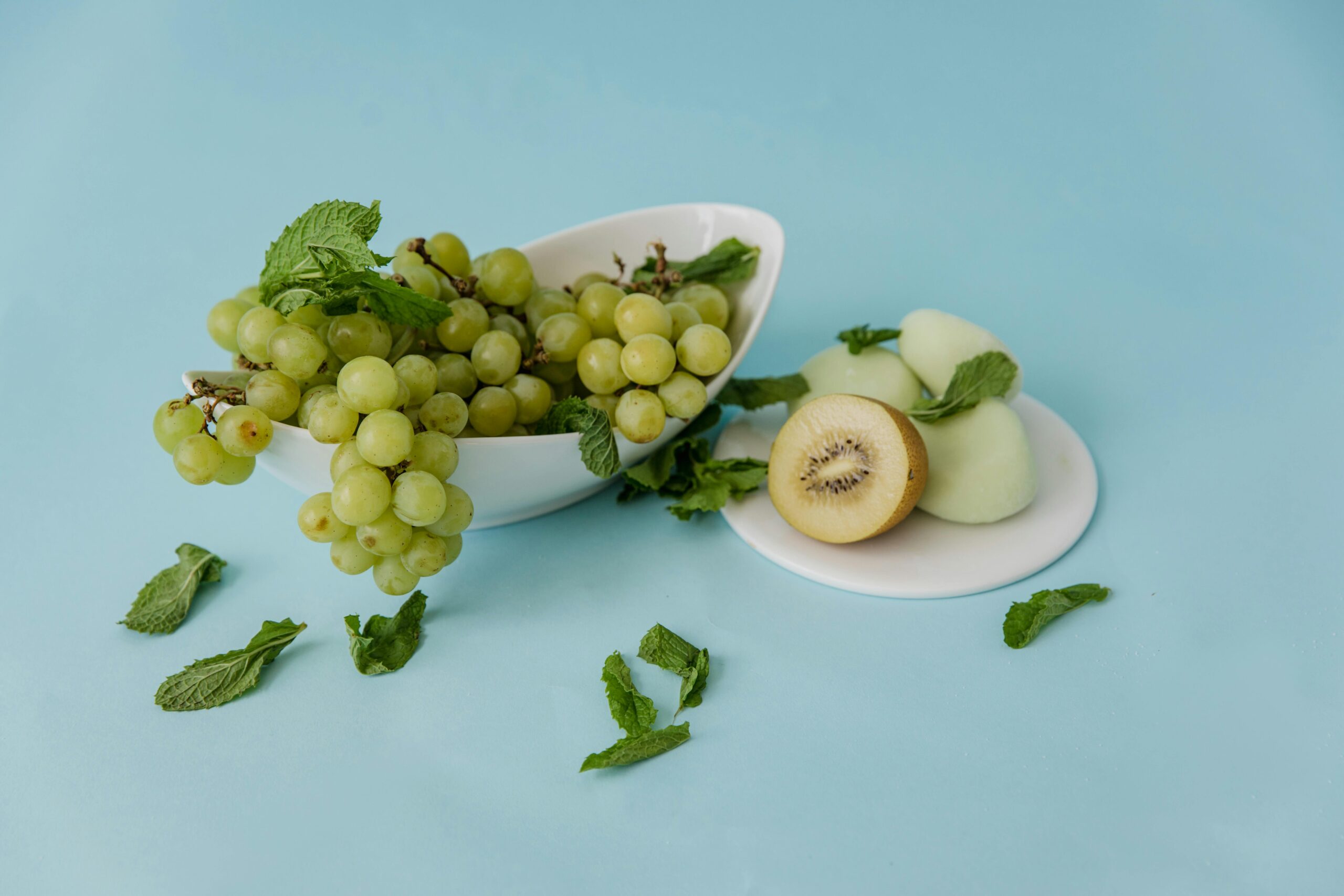
It’s noticeable that more people seem to be paying attention to their sugar intake lately, especially when it comes to fruits. The shift in focus appears to stem from a growing awareness of health and wellness, with many individuals seeking ways to enjoy the sweetness of fruits without the accompanying sugar spike. In grocery stores and farmers’ markets, there’s an ever-increasing display of fruits that are lower in sugar, catching the eye of health-conscious shoppers. Small signs and labels often highlight these options, and it seems that consumers are eager to explore them.
The interest in low-sugar fruits is likely influenced by an array of dietary trends that emphasize natural eating. It’s striking how people are gravitating toward foods that align with their wellness goals, perhaps influenced by social media or popular health influencers who share their journeys and discoveries. This community engagement appears to foster a sense of exploration among individuals who are curious about how they can enjoy fruits while being mindful of sugar. As a result, there’s a noticeable uptick in conversations about alternatives like berries, avocados, and tomatoes, which often get overlooked in favor of traditionally sweeter options.
Additionally, the subtle shifts in dietary preferences are often driven by the desire for balance. Many individuals are not just looking to reduce sugar but are also interested in finding ways to incorporate nutritious foods that offer health benefits without compromising on taste. It’s fascinating to observe how fruits such as raspberries and strawberries are becoming increasingly popular as they contain lower sugar levels and are packed with vitamins and antioxidants. The combination of flavor and health benefits seems to appeal to those who want to indulge without the guilt associated with higher-sugar varieties.
Another factor that may be contributing to this trend is the growing awareness of metabolic health. As more people become educated about conditions like diabetes and insulin resistance, there appears to be an increased desire to take charge of their health by making informed food choices. This has led to a wider exploration of fruits that not only satisfy cravings but also support overall well-being. It’s interesting to note how fruits like blackberries and lemons are gaining traction in various recipes, becoming staples in smoothies and salads, as they offer a refreshing taste without overwhelming sugar content.
Seasonal availability may also play a role in the changing landscape of fruit consumption. With farmers’ markets thriving, it’s common to see an array of options that might not be present in traditional grocery stores. The appeal of local produce often draws attention to lesser-known fruits that are lower in sugar, such as rhubarb or certain varieties of apples. There’s something rewarding about discovering these gems, which often have unique flavors that can add depth to meals. It seems that as people become more connected to their food sources, they are more likely to experiment with what’s available, leading to a more diverse palate.
Social influences, too, can’t be ignored in this context. As friends and family share their own experiences with healthy eating, it seems to create a ripple effect. People are often inspired by each other’s choices, leading to a collective shift in how fruits are perceived and enjoyed. Conversations about recipes and meal prep frequently highlight the benefits of using fruits that are lower in sugar, creating a community around healthful eating. It’s heartening to see how these discussions can lead to a deeper appreciation for the variety of flavors found in lesser-known fruits, encouraging more adventurous eating habits.
Ultimately, it’s fascinating to see how these various factors intertwine, creating a nuanced landscape for fruit consumption. As more individuals become aware of their dietary choices, the market appears to respond by offering a broader range of options. This evolving interest in fruits that are lower in sugar not only reflects a shift in health consciousness but also a growing appreciation for the diverse tastes and textures that fruits can offer. There’s a sense of joy in exploring these alternatives, and it’s clear that the love for fruit remains strong, even as preferences evolve.