
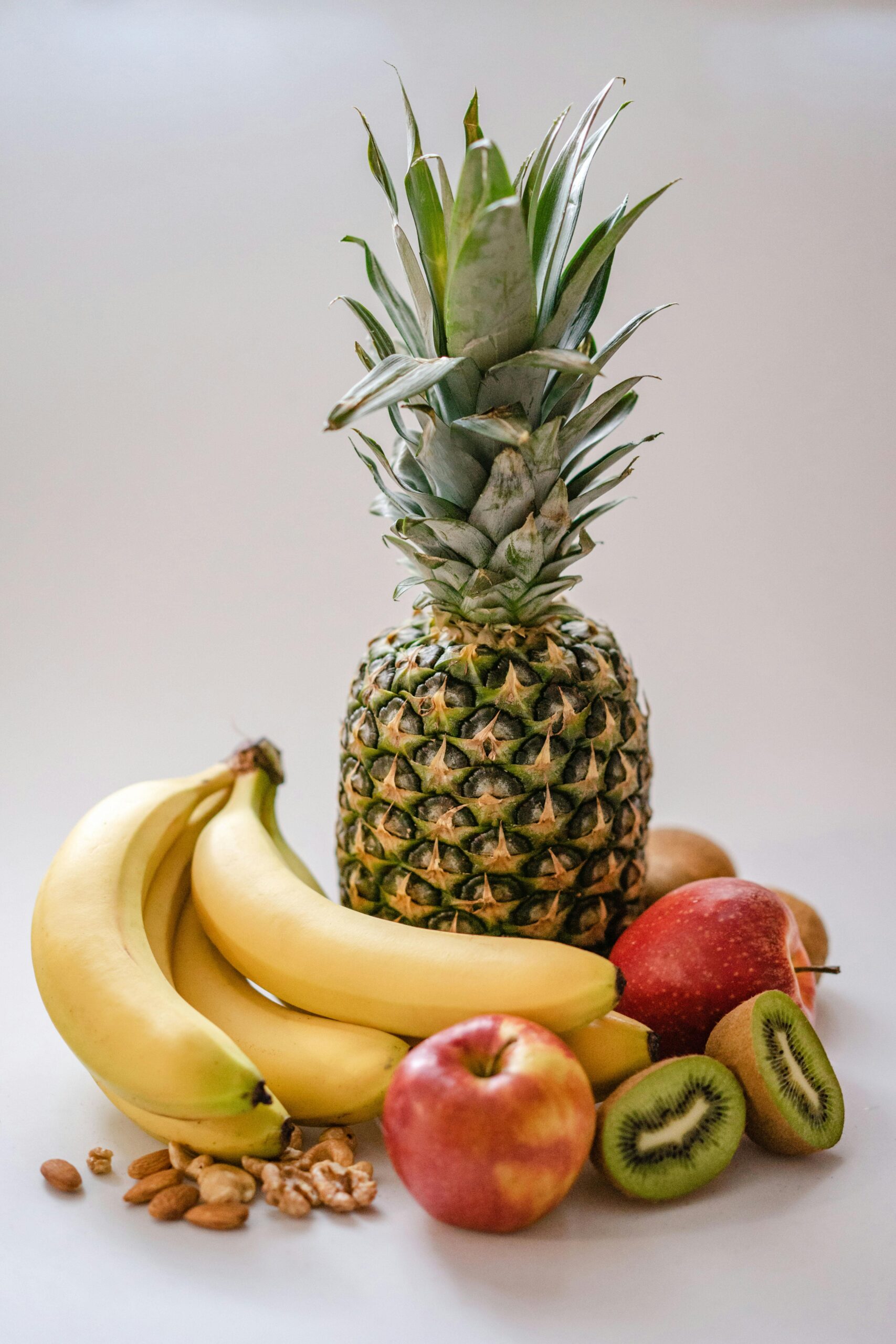
It seems that more people are turning their attention to whole foods, particularly those rich in fiber. The shelves in local markets are brimming with vibrant fruits and vegetables, each offering a unique texture and flavor. Observers might notice that the demand for these foods isn’t just a passing trend. As dietary awareness grows, many are seeking out natural sources of fiber to support their health goals. It’s becoming clear that fiber-rich foods are no longer just a health enthusiast’s choice but a staple in everyday diets.
One can’t help but notice how apples, with their crisp bite, are gaining popularity not just for their taste but for their fiber content, which supports digestion. Similarly, the humble pear, often overlooked, is enjoying a resurgence. Its subtle sweetness and grainy texture make it a delightful addition to meals. It’s interesting to see how these fruits, once plucked from backyard trees, are now celebrated for their nutritional benefits. This increased interest seems to coincide with a broader shift toward preventive health measures, where individuals are taking a more proactive role in managing their well-being.
On the vegetable front, it stands out that leafy greens like spinach and kale are finding their way into more shopping carts. They are versatile, easily incorporated into meals, and provide a bounty of nutrients along with fiber. As plant-based diets gain traction, these greens are no longer relegated to sides but are becoming main dishes in their own right. It’s not just the flavor profiles that are drawing people in but the recognition of their role in promoting gut health.
Looking beyond the more common options, it appears that there is a growing curiosity about root vegetables. Sweet potatoes, for instance, are not just favored for their sweetness but also for their fiber content. They offer a heartier meal option, which seems to align with the increasing desire for comfort foods that don’t compromise health. Beets, with their earthy richness, are also being appreciated anew. They offer a different kind of culinary experience, one that is deeply satisfying both in taste and nutrition.
Additionally, legumes such as lentils and chickpeas are gaining appreciation as fiber powerhouses. Their ability to blend seamlessly into a variety of dishes is perhaps one reason for their rising popularity. Observers have noted that these foods are often chosen for their ability to keep one full for longer periods, which is particularly appealing in an age where busy lifestyles demand sustained energy without frequent meals.
The interest in high-fiber fruits and vegetables might also be influenced by an increased availability of information. With more resources at their fingertips, people are learning how these foods can fit into a balanced diet. This knowledge seems to be empowering individuals to make informed choices, leading to a more varied and colorful diet.
Another factor contributing to this shift is the culinary creativity seen in kitchens today. It’s fascinating to watch how chefs and home cooks alike are experimenting with these fiber-rich foods, turning them into exciting, flavorful dishes that appeal to a wide audience. This creativity not only makes healthy eating more accessible but also more enjoyable, encouraging even the most steadfast of skeptics to give them a try.
Interestingly, the cultural perception of fiber is evolving. It’s no longer viewed as merely a remedy for digestive issues but as a crucial component of a holistic approach to health. This changing perception might be why more people are incorporating diverse and colorful produce into their meals. It’s a subtle yet significant shift, indicating a deeper understanding and appreciation of how these foods contribute to overall wellness.
Amidst all these changes, one can’t ignore the role of community in promoting fiber-rich diets. Farmers’ markets and local produce stands seem to be thriving, providing direct access to fresh, high-quality fruits and vegetables. These spaces not only offer produce but also foster a sense of connection and support for local agriculture, which might explain the increasing interest in these foods.
The current landscape of dietary choices paints a compelling picture of how our relationship with food is changing. By observing these shifts, it’s clear that the integration of high-fiber fruits and vegetables into daily meals is more than a fleeting interest. It reflects a broader movement toward mindful eating and a proactive approach to health, with fiber-rich foods at the forefront of this transformation. As more people embrace this trend, it will be interesting to see how it continues to shape eating habits and lifestyle choices.